

Your first golf round is coming up, and the gear aisle is staring back at you with more options than a pro shop on tournament Sunday. Walking into a full equipment setup as a beginner feels like showing up to a casual pickup game with a tour van. You don't need it, and you almost certainly don't want to pay for it.
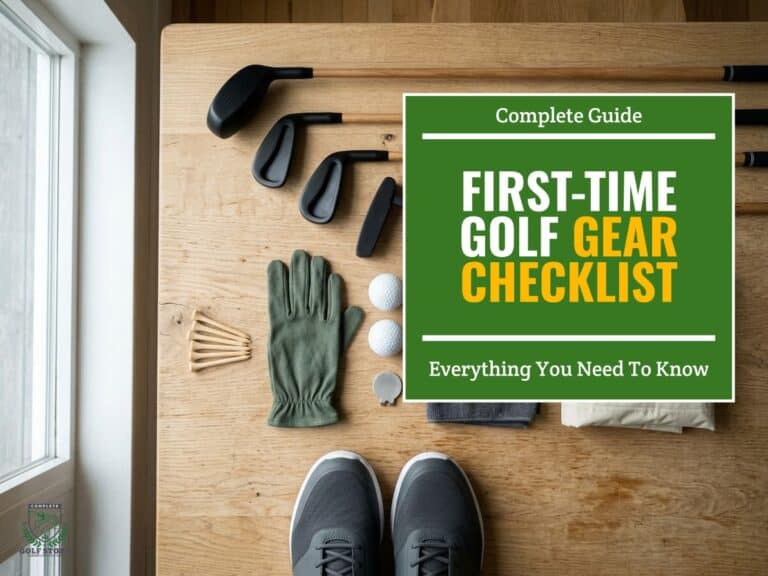
The truth is simpler than the marketing suggests. A first-time golf gear checklist doesn't require a complete 14-club bag, premium apparel, or a cart full of gadgets. You need enough to play comfortably, look like you belong, and keep your focus on learning the swing, not managing your equipment. Start with a minimal club set: a driver, a few irons, a wedge, and a putter covers every shot you'll realistically face on your debut round. Add a glove to protect your grip and reduce blisters, plus a towel to wipe down clubs and balls between shots.
This guide walks through exactly what earns a spot in your bag for round one, what can wait until you're hooked, and the common mistakes that send beginners home with gear they never touched. By the end, you'll know what to buy, what to borrow, and what to skip entirely.
Start With a Minimal Club Set
Why a Full 14-Club Set Is Not Needed on Day One
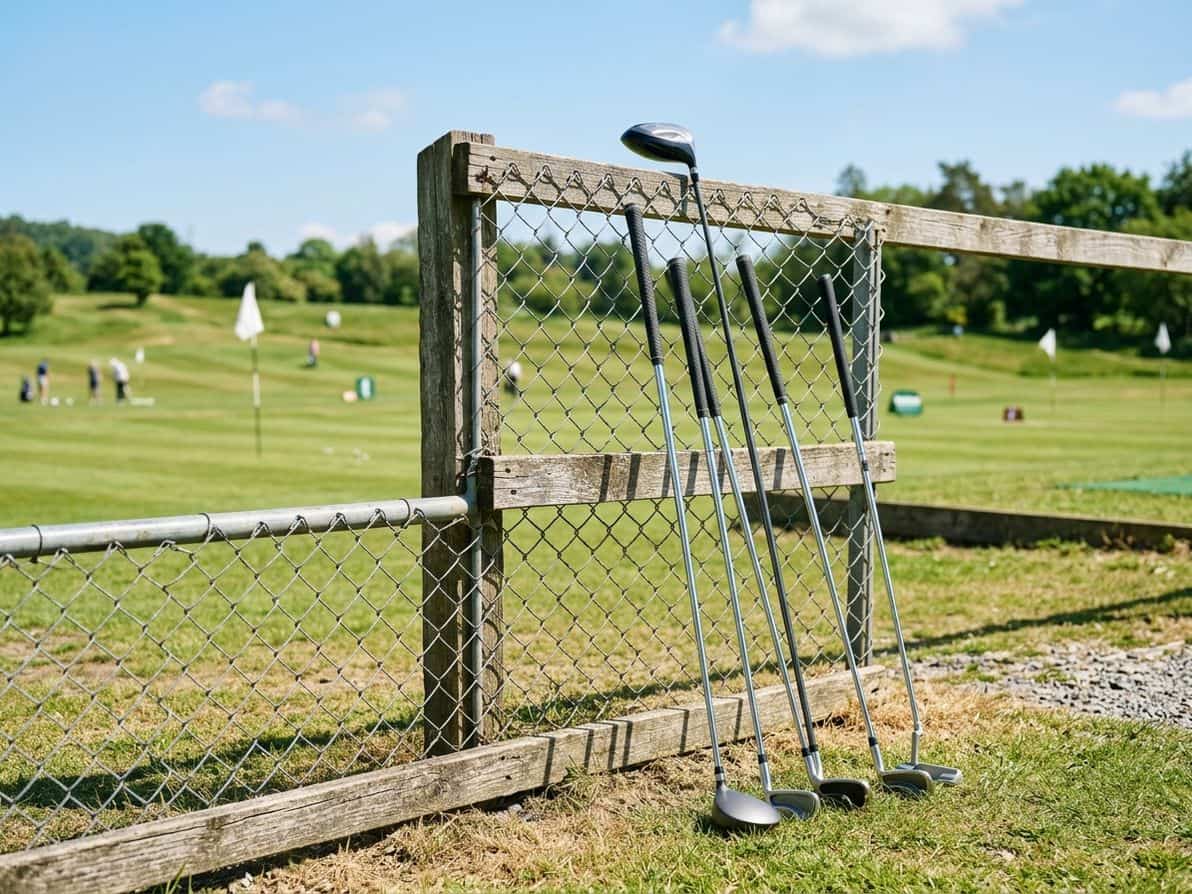
You do not need a full 14-club set for your first round. A beginner carries fewer clubs to keep decisions simple and the bag light. Extra clubs add weight, create confusion at address, and slow down your pace of play. Most beginners struggle with consistency, not club selection. Fewer clubs mean fewer variables while you learn the swing.
Starting with a half set or a dedicated starter set also costs less. You can add clubs as your game develops. Many golfers play their first several rounds with six or seven clubs and never feel shortchanged. The goal on day one is making contact and finishing holes, not hitting every club in the bag.
A Starter Set: Driver, a Few Irons, a Wedge, and a Putter
A practical minimal setup includes four to seven clubs. Here is what to carry:
- Driver: Your longest club for tee shots on par 4s and par 5s. A driver with a larger head and more loft helps get the ball airborne.
- One hybrid or fairway wood (optional): Easier to hit than long irons and useful from the fairway or light rough.
- Two or three irons: Typically a 6-iron, 8-iron, and 9-iron or pitching wedge. These cover approach shots from 100 to 160 yards.
- A wedge: A sand wedge or gap wedge for shots around the green and out of bunkers.
- A putter: The club you use most. Spend time picking one that feels right in your hands and suits your stroke.
This setup covers tee shots, approach shots, chips, and putts. You can complete any hole with these clubs. If budget is tight, many retailers sell complete starter sets with a driver, irons, a wedge, a putter, and a bag for under $300. Our guide to the best golf clubs for beginners compares specific models and set configurations.
Explaining Key Club Terms: Driver, Putter, and Wedge
Three terms come up constantly when you shop for clubs. Knowing what they mean helps you shop with confidence.
- Driver: The club with the largest head and longest shaft, designed for maximum distance off the tee. Modern drivers typically have 9 to 12 degrees of loft. Beginners often benefit from 10.5 degrees or higher, which launches the ball higher with less effort.
- Putter: The club you use on the green. Putters have flat faces and short shafts. They come in blade, mallet, and semi-mallet designs. The right putter fits your eye line and stroke path.
- Wedge: A short iron with high loft, usually 48 to 56 degrees. Wedges are built for short, high shots around the green. The sand wedge is the most common type, named for its use in bunkers. A gap wedge fills the distance between your pitching wedge and sand wedge.
Understanding these three clubs covers most of what you need to start. Everything else in the bag can wait.
Essential Accessories to Pack
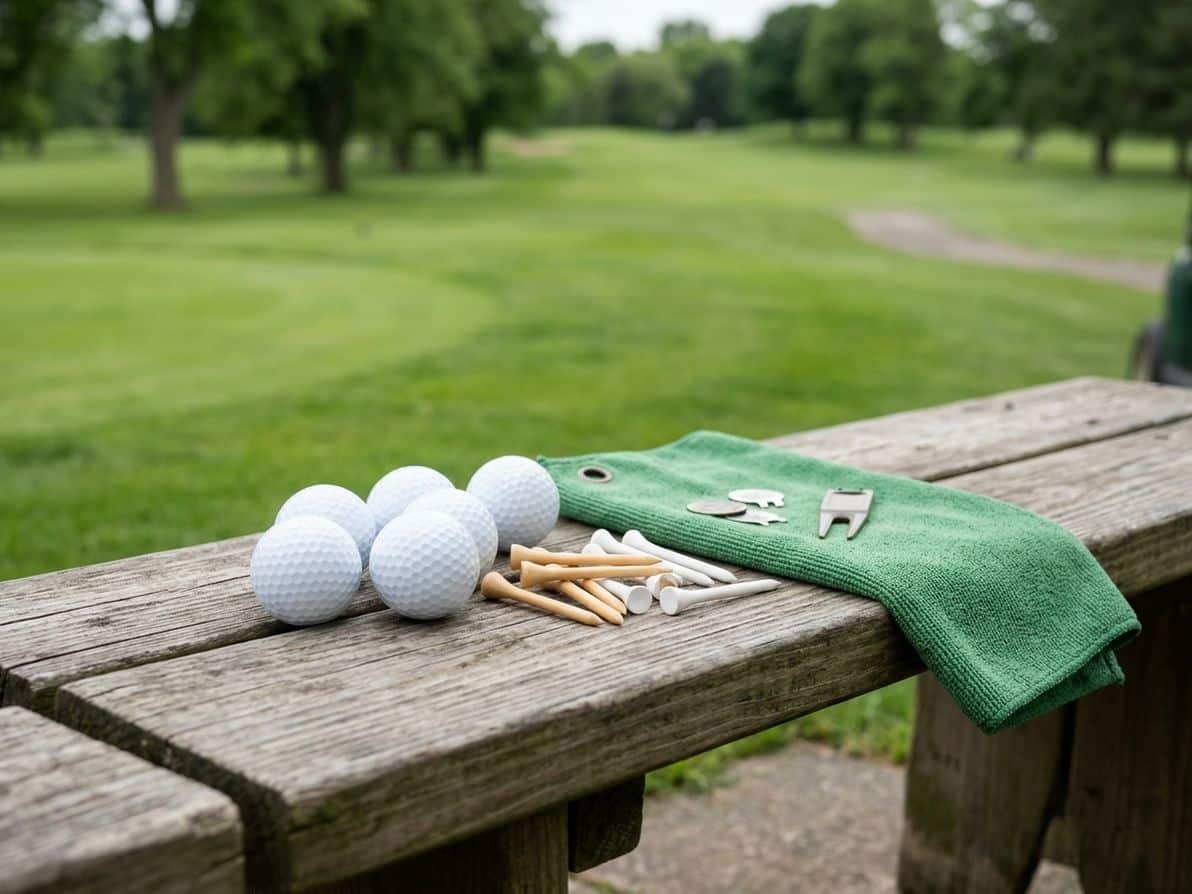
Your clubs get you started, but the small items you carry decide whether your first round feels smooth or frustrating. Pack these basics before you leave the house, and browse our roundup of essential golf accessories if you want more options once the essentials are covered.
Golf Balls and Tees: Pack Extras
Bring more than you think you need. A sleeve of three balls rarely survives 18 holes when you are learning. Pack at least six to eight balls in your pocket or bag, and grab a handful of tees while you are at it.
Tees snap, disappear into grass, and vanish on mishits. Losing a ball on every other hole is normal for beginners, so running out mid-round means walking back to the pro shop. Cheap range balls work fine for your first round. You do not need premium tour balls to enjoy your day. For tee height, see our guide on golf tee size for beginners if you want to dial in your driver setup.
Glove, Towel, and Ball Marker for Basic Play
A glove goes on your lead hand (left hand for right-handed golfers) and helps you hold the club without squeezing too tight. It reduces blisters and keeps your grip steady when your hands get sweaty. Most beginners wear one glove; some skip it entirely and play bare-handed, which works until the blisters show up.
A small towel clips to your bag and wipes mud off club faces and dirt off balls between shots. Clean equipment performs better, and a damp towel takes two seconds to use. A ball marker is a small coin or plastic disc that marks your ball's position on the green so you can lift it to let others putt through. Use any coin if you forget to buy one. These three items cost little and remove small annoyances that distract you from learning your swing.
Divot Repair Tool and Why It Matters on the Course
A divot repair tool is a small two-pronged metal or plastic fork that fixes the turf damage your iron shots leave behind. When you hit an iron, the club takes a chunk of grass and soil, leaving a scar on the fairway or approach area. Press the prongs into the edges of the dent and lever the turf back into place.
It takes five seconds and keeps the course playable for the group behind you. Most courses expect players to repair their divots, and doing so shows respect for the course and other golfers. Many golf hats, belts, and some shoes come with a built-in tool, or you can buy a standalone one for a few dollars. Skip the fancy gadgets for now; this one earns its spot in your bag on day one. Make fixing divots a habit from your very first round.
Clothing and Footwear for Your First Round
You do not need a golf wardrobe to play your first round. You need clothes that let you move freely, respect the course's dress code, and keep you comfortable for four to five hours outdoors. Pack for the weather and the specific rules of the course you are visiting.
Course-Appropriate Clothing to Pack
Check the course's dress code before you leave home. Most courses follow a general standard: collared shirts for men, sleeveless or collared tops for women, and shorts or pants that reach mid-thigh. Denim, athletic shorts, tank tops, and flip-flops are common violations.
For your first round, pack:
- A collared polo or a neat athletic shirt
- Golf shorts or lightweight long pants
- A light jacket or sweater for cool mornings
- Rain gear if the forecast calls for a chance of showers
Darker colors and solid patterns hide grass stains better than white or bright prints. Moisture-wicking fabric pulls sweat away from your skin and dries quickly if you get caught in light rain.
If you want to go deeper on what each course expects, read our guide on golf dress code before you pack your bag.
Comfortable Shoes vs. Golf Shoes: What to Check Before You Play
Golf shoes are not required for your first round at most public courses. What you need is footwear that grips the ground and supports your feet through a full swing.
Check three things before you choose:
- Traction: The sole should grip wet grass and cart paths. Smooth dress shoe soles slip easily.
- Support: Your feet stay planted through the swing. Running shoes or cross-trainers work well because they cushion impact and stabilize your ankles.
- Water resistance: Morning dew soaks through mesh uppers quickly. Water-resistant shoes or a spare pair of socks in your bag helps.
Spikeless golf shoes are a solid middle option if you plan to play more than once. They look like athletic shoes, work on and off the course, and many courses now prefer them because they do less damage to greens. For a single round, your existing athletic shoes are fine.
Hat or Visor for Sun Protection
Sun exposure adds up over 18 holes. A hat or visor shields your face and neck, reduces glare when you line up putts, and keeps sweat from dripping into your eyes mid-swing.
Choose a cap with:
- A curved brim that shades your eyes without blocking your view of the ball
- Breathable fabric or mesh panels for airflow
- An adjustable strap so it stays put during your swing
A visor leaves the top of your head exposed, so apply sunscreen if you wear one. A wide-brimmed hat offers more coverage but can feel bulky in wind. Many beginners start with a basic baseball cap and upgrade later.
Pack sunscreen, sunglasses, and a small towel regardless of which headwear you choose. These three items cost little and prevent the sunburn and squinting that ruin a first round.
Weather Items to Add as Needed
Your first-time golf gear checklist covers the essentials, but weather changes fast on the course. A sunny morning can turn into a chilly afternoon, or a light drizzle can soak through cotton in minutes. The items below take up little space in your bag and save your round when conditions shift.
Water and Sunscreen
Golf is a walking sport. Eighteen holes often means four to five miles on your feet, and dehydration sneaks up on you before you feel thirsty. Pack at least one full water bottle, and refill at the turn if the course has stations. A reusable bottle keeps costs down and cuts waste.
Sun exposure adds up too. You will spend hours outside with little shade, and a sunburn distracts from your swing. Apply sunscreen before you tee off, and reapply every two hours. A hat and sunglasses round out your protection without taking up bag space.
Rain Gear and Layers
A light rain jacket and a packable umbrella belong in your bag from spring through fall. Cotton clothing stays wet and heavy when it rains, so choose a jacket made from water-resistant material. The jacket should fold small enough to tuck into a side pocket.
Layers work better than a single heavy sweater. A breathable long-sleeve shirt or a light fleece adds warmth on cool mornings, then comes off as the day heats up. Avoid denim and heavy cotton, which hold moisture and restrict your swing.
Adjusting Your Pack to the Forecast
Check the forecast the night before your round, then adjust your bag. On a clear, warm day, you might carry only water, sunscreen, and a hat. When rain is possible, add the jacket and umbrella. For a cold morning, pack a layer you can remove at the first tee.
Keep a small towel in your bag regardless of the forecast. You already use it to clean clubs and balls, and it doubles as a way to dry your hands or wipe rain from your grip between shots.
The goal is simple: stay comfortable so you can focus on your swing. You do not need specialized golf weather gear for your first round. Basic, packable items from your closet or a general sporting goods store work fine. Add them as the forecast demands, and you will play through whatever the sky brings.
What You Can Skip Until Later
Walking into a golf shop for the first time can feel overwhelming. Every aisle seems packed with gear that promises to fix your swing. Resist the urge to fill your cart. You can build a functional setup with a fraction of what retailers display.
Full Bag Sets and Extra Clubs
Complete 14-club sets sit prominently on store shelves because they look comprehensive. For your first round, they are excess. A full set adds weight to your bag and decision fatigue on every shot. You will not use half the clubs.
Start with a driver, a 7-iron, a pitching wedge, and a putter. This four-club foundation covers tee shots, mid-irons, short approaches, and putting. If you borrow or buy used, this minimal set costs far less and lets you learn which gaps actually matter. Add a 5-iron or a hybrid later, once you can strike those clubs consistently. A second wedge or a full iron set belongs on your list only after you have played enough rounds to feel the limits of your current setup.
Specialty Accessories and Gadgets
Rangefinders, swing analyzers, alignment sticks, and launch monitors all solve problems you do not yet have. These tools assume a repeatable swing and a course strategy worth measuring. On your first round, you are focused on making contact and keeping the ball in play.
Skip the gadget aisle entirely. A simple scorecard and a pencil are all you need to track your round. If you want one tech item, a basic GPS app on your phone shows yardages without the cost of a dedicated device. Save your money for lessons or more rounds. You will spot genuine needs faster by playing than by reading reviews.
Items to Revisit After Several Rounds
Some gear earns its place only after experience teaches you what you lack. Golf shoes fall here. Many beginners play their first rounds in athletic shoes with adequate grip. Once you feel your feet slipping during swings or notice soreness after walking 18 holes, invest in spiked or spikeless golf shoes.
The same logic applies to a proper golf bag, a full set of matching irons, and premium balls. Each upgrade makes sense when you can name the specific problem it solves. Your first few rounds are for building fundamentals, not collecting equipment. Revisit this list after five or six rounds, and you will shop with purpose instead of guesswork.
Your first-time golf gear checklist should stay lean. Buy what gets you on the course, play, and learn what you actually need next.
Common Mistakes to Avoid
Your first round does not need to cost a fortune or fill a closet. Four mistakes trip up almost every beginner, and each one wastes money or leaves you uncomfortable on the course.
Buying a Full 14-Club Set Before Playing
A full set looks like the obvious starting point. You will carry clubs you never hit, though. Most beginners struggle to make consistent contact, and extra clubs add weight and confusion without helping your score. Start with a driver, a 7-iron, a pitching wedge, and a putter. Add clubs only after you play a few rounds and notice gaps in your distances. Our guide on 5 Beginner Golf Regrets and How to Avoid Overspending on Gear covers where beginners overspend most.
Skipping Extra Balls and Tees
A sleeve of three balls rarely survives 18 holes when you are learning. Lost balls on every other hole drain your supply fast. Digging through your pockets mid-round breaks your rhythm. Buy a dozen cheap range balls for your first outing. They cost less, and losing them stings less. Pack extra tees too. You will snap a few on mishits, and running out mid-hole forces awkward workarounds. A small bag of mixed tees costs almost nothing.
Forgetting a Glove or Towel
A glove keeps your grip steady when your hands sweat. Without one, the club twists on impact. You develop blisters by the back nine. One glove for your lead hand is enough to start. A towel matters more than beginners expect. You use it to clean mud off club faces and wipe down grips. Courses do not provide towels, and a dirty club face costs you distance. A small microfiber towel clips to your bag and takes up no space.
Treating Golf Shoes as Mandatory When Athletic Shoes May Be Allowed
Golf shoes grip the turf and protect your feet on wet grass. Many public courses allow athletic shoes for your first round. Check the dress code before you buy. If the course permits sneakers, wear running shoes you already own. Your feet stay supported, and you save the cost of a dedicated pair. When you do buy golf shoes, fit them in the afternoon when your feet are slightly swollen.
Avoid these four mistakes and your first round stays simple, affordable, and focused on learning the game.
Frequently Asked Questions
What do you actually need for your first golf round?
You need five items: a driver, three irons (7, 9, and a pitching wedge), a putter, a glove, and a few golf balls. Add a tee pack and a towel, and you are ready to play. Everything else can wait.
Which items are essential versus optional?
Essential items are clubs, balls, tees, a glove, and footwear that grips. Optional items include a full 14-club set, premium apparel, a rangefinder, and a golf bag. A towel is useful but not required if the course provides one.
How many clubs should a beginner carry?
Carry six clubs: driver, 7-iron, 9-iron, pitching wedge, sand wedge, and putter. This covers every shot you will face on your first round without weighing you down. You can add clubs later as your distances and needs grow.
What course-appropriate clothing should be packed?
Pack a collared shirt, golf shorts or pants, and a belt. Most courses require collars and prohibit denim. Bring a light jacket for morning chill and a hat for sun protection.
What can be skipped until later?
Skip the full 14-club set, a dedicated golf bag, premium balls, a rangefinder, and multiple gloves. You can also skip golf shoes on your first round if you own athletic shoes with good grip. Add these items only after you commit to playing regularly.
Final Thoughts
Your first round does not need to cost a fortune or fill a closet. A driver, a few irons, a wedge, a putter, a glove, a towel, a sleeve of balls, and a handful of tees will get you through 18 holes with confidence. Add comfortable athletic shoes and weather-appropriate layers, and you have everything required to step onto the course without second-guessing your bag.
The gear you skip now is not gear you will never need. A full 14-club set, dedicated golf shoes, and specialty accessories all have their place once you know your game. Starting minimal lets you learn what you actually use before you invest in what you do not.
When you are ready to build your swing beyond the range, our guide on how to play golf step-by-step walks you through stance, grip, and course strategy so your second round feels like progress, not another experiment. Show up with the basics, keep your scorecard honest, and let the game pull you deeper from there. The best first round is the one you actually play.