

You can fix golf glove wear by correcting three things: fit, grip pressure, and care habits. A glove that fits like a second skin, with no extra material in the fingers or palm, wears slower and grips better. Most premature wear comes from a glove that is too large, a grip that squeezes too hard, or skipping basic cleaning.
Extra material in the palm or fingers causes abrasion every swing. Abrasion on the base of the palm or thumb pad often signals an improper grip. Rotating two or three gloves gives each one time to dry and recover between rounds.
Clean gloves with mild soap and water, then air-dry them at room temperature. Store them flat, away from heat. These steps extend glove life and keep your grip consistent.
- 1) How a Golf Glove Should Fit
- 2) What Wear Patterns Reveal About Your Grip
- 3) Fixing Grip Mistakes That Wear Gloves
- 4) How to Make a Golf Glove Last Longer
- 5) How to Clean, Dry, and Store a Golf Glove
- 6) How to Revive a Worn or Dirty Glove
-
7)
Frequently Asked Questions
- 7.1) How should a golf glove fit and be worn?
- 7.2) What causes golf gloves to wear out, and how can you prevent holes?
- 7.3) What does wear on different parts of a golf glove reveal about your grip?
- 7.4) How can you make a golf glove last longer?
- 7.5) How should you clean, dry, and store a golf glove?
- 7.6) How can you revive a worn or dirty golf glove?
- 8) Final Thoughts
How a Golf Glove Should Fit
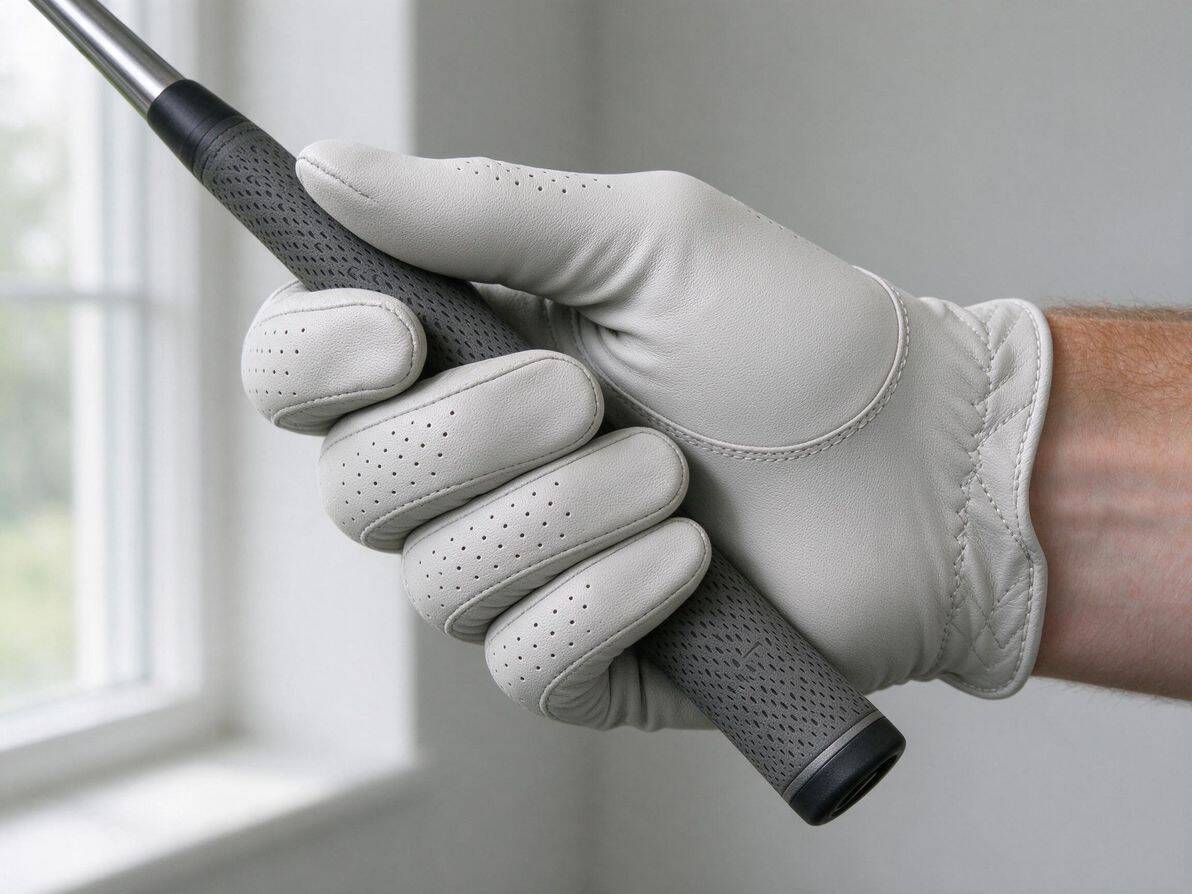
A golf glove works best when it fits like a second skin. Extra material in the fingers or palm rubs against the club and your hand during every swing, which causes abrasion and speeds up wear. A snug fit also gives you better control over the clubface.
What Snug Fit Looks Like
Your glove should feel tight when you first put it on, but not painful. There should be no loose fabric at the fingertips or bunching in the palm. The material should follow the shape of your hand without gaps. When you flex your fingers, the glove moves with your skin, not against it.
Signs a Glove Is Too Large
Watch for these warning signs:
- Extra fabric at the fingertips that folds or bunches when you close your hand
- Material that slides or rotates on your hand during a swing
- Wrinkles forming in the palm when you grip the club
- Reduced grip quality because the glove shifts between your hand and the club
An oversized glove wears faster because the loose material creates friction points with every swing. It also makes it harder to feel the club, which can lead to grip pressure mistakes that wear the glove even more.
Checking Velcro Closure Overlap
Close the glove's strap and check how much Velcro remains visible. Some fitting guidance suggests leaving about a quarter inch of Velcro showing when the strap is fully closed.
Treat this as a rough guide, not a fixed rule. What matters most is that the glove feels secure around your wrist without cutting off circulation or letting the glove rotate during your swing.
If you need to tighten the strap past the point where Velcro is visible, the glove is likely too large. If the strap barely reaches or feels strained, the glove may be too small. For more on how grip size and fit work together, see our guide on choosing the right golf grip for your game.
Getting the fit right is the first step in fixing glove wear. A glove that fits properly from the start gives you a better foundation for every other fix in this guide.
What Wear Patterns Reveal About Your Grip
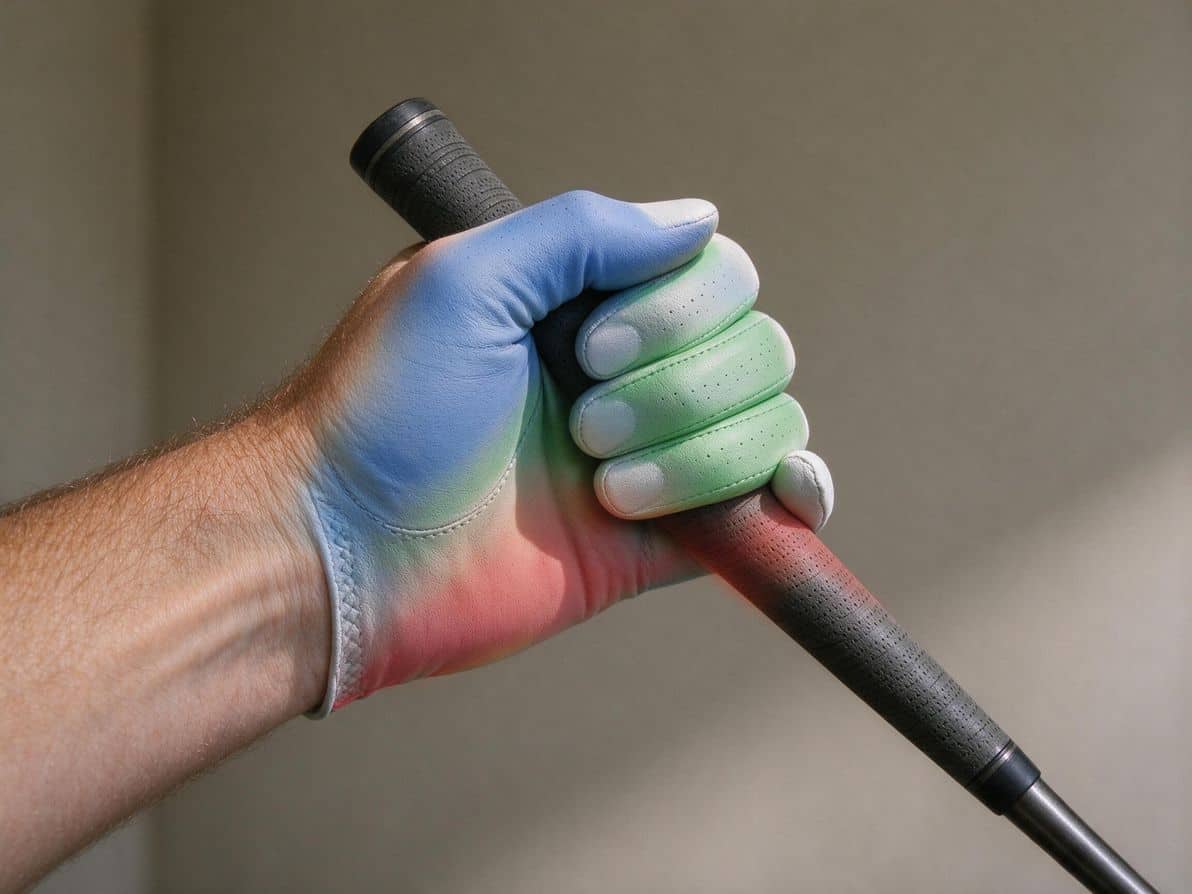
Your glove tells you where your grip needs work. Wear in specific spots points to specific problems you can fix. Learning to read these patterns saves you money and improves your hold on the club.
Palm Wear Explained
Abrasion at the base of your palm usually means you are gripping too deep in your hand, with the club sitting across your palm rather than in your fingers. This position creates friction every time you swing. The club rubs against the same spot of leather, wearing it thin faster than the rest of the glove.
Shifting the club higher into your fingers reduces this contact. You will feel more control over the clubface, and the wear pattern will spread more evenly across the glove.
Thumb Pad Wear Explained
Wear on your thumb pad signals a different issue: you are squeezing too hard or twisting the grip during the swing. The thumb works as an anchor, and excess pressure or motion grinds the leather against the club.
Relaxing your grip pressure helps here. Hold the club firmly enough to control it, but not so tight that your knuckles turn white. A lighter touch reduces friction and lets the glove last longer.
Abrasion From Extra Material
Extra material in your glove causes its own wear problems. When a glove is too large, fabric bunches in your fingers or palm. That bunching rubs against itself and against the club with every swing, creating abrasion from the inside out.
An oversized glove also reduces grip quality. The club can shift slightly in your hand, forcing you to squeeze harder to maintain control. That extra pressure accelerates wear in the palm and thumb pad.
A properly fitted glove feels like a second skin with no extra material in the fingers or palm. Some fitting guidance suggests leaving about a quarter inch of Velcro visible when the strap is closed, though this is a rule of thumb rather than a fixed measurement.
If you see bunching or feel loose fabric, your glove is likely too large.
Fixing Grip Mistakes That Wear Gloves
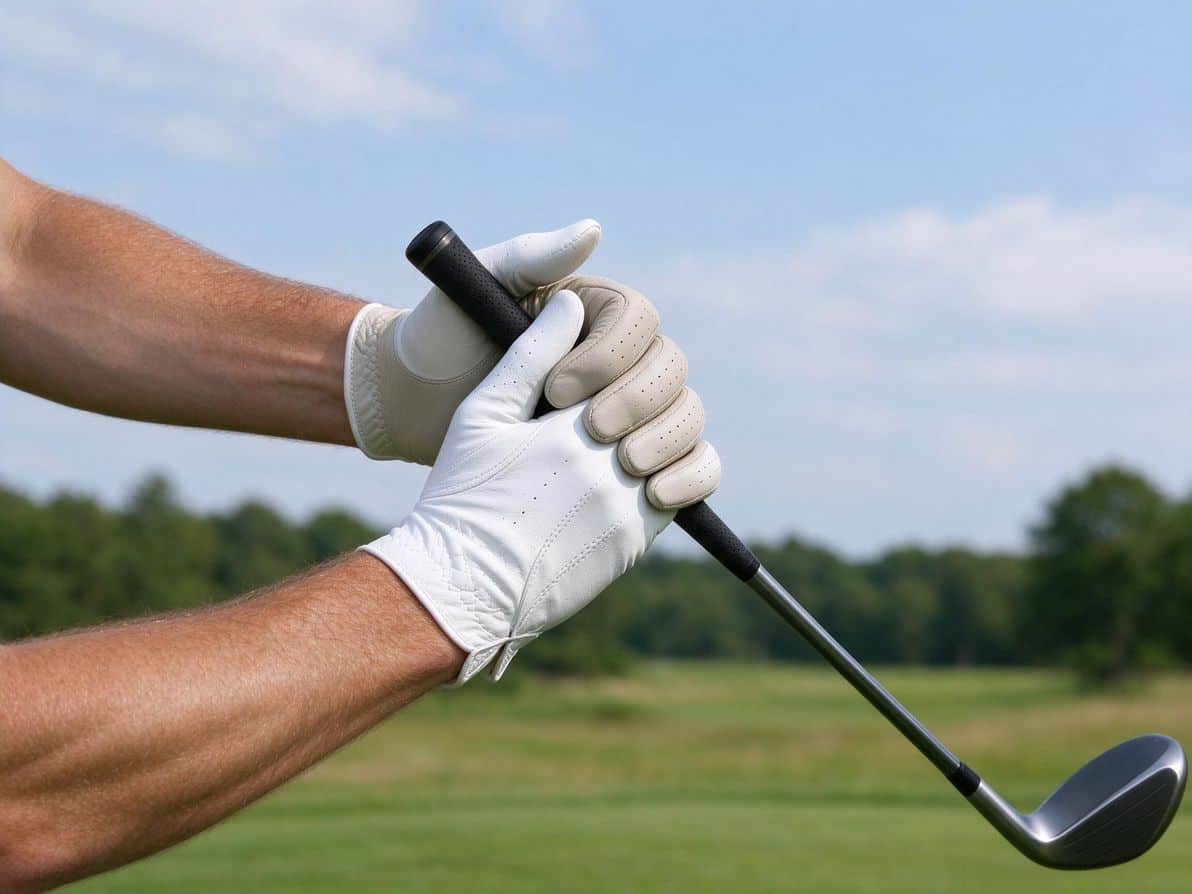
Your grip technique affects how fast your glove wears down. Two habits cause most of the damage: holding the club too deep in your palm and squeezing too hard. Fix these and your gloves will last noticeably longer.
Keep the Club in Your Fingers
Hold the club more in your fingers and less in your palm. When the grip sits deep in your palm, the club rotates and rubs against the leather during the swing. That friction wears out the palm and thumb pad faster.
Start with your lead hand. Lay the club across the base of your fingers, not the middle of your palm. Your fingers should wrap around the grip; your palm should make light contact.
Check that no extra glove material bunches up where your hand meets the club. For a deeper look at hand position, see our guide on the proper golf grip.
Reduce Friction in the Palm
Less palm contact means less friction. Work on a lighter hold where your fingers do the gripping and your palm stays relaxed. You should feel secure without crushing the handle.
Watch for wear on the base of your palm or thumb pad. Abrasion in these spots signals your grip is off.
A glove that fits like a second skin, with no extra material in the fingers or palm, helps you hold the club correctly and wears slower. If your glove feels loose or baggy, it may be too large, which reduces grip quality and increases wear.
Check Your Grip Pressure
Squeezing the club too hard grinds the glove against the grip. Your pressure should stay consistent through the swing, not spike at impact. Think of holding a tube of toothpaste: firm enough to control it, not so tight that it squirts out.
Before each shot, take a breath and let your hands soften. A relaxed grip protects your glove and often improves your swing. If you notice white knuckles or forearm tension, you are gripping too hard. When your clubs need fresh grips, see our guide on regripping clubs to keep the surface tacky and reduce glove wear.
How to Make a Golf Glove Last Longer
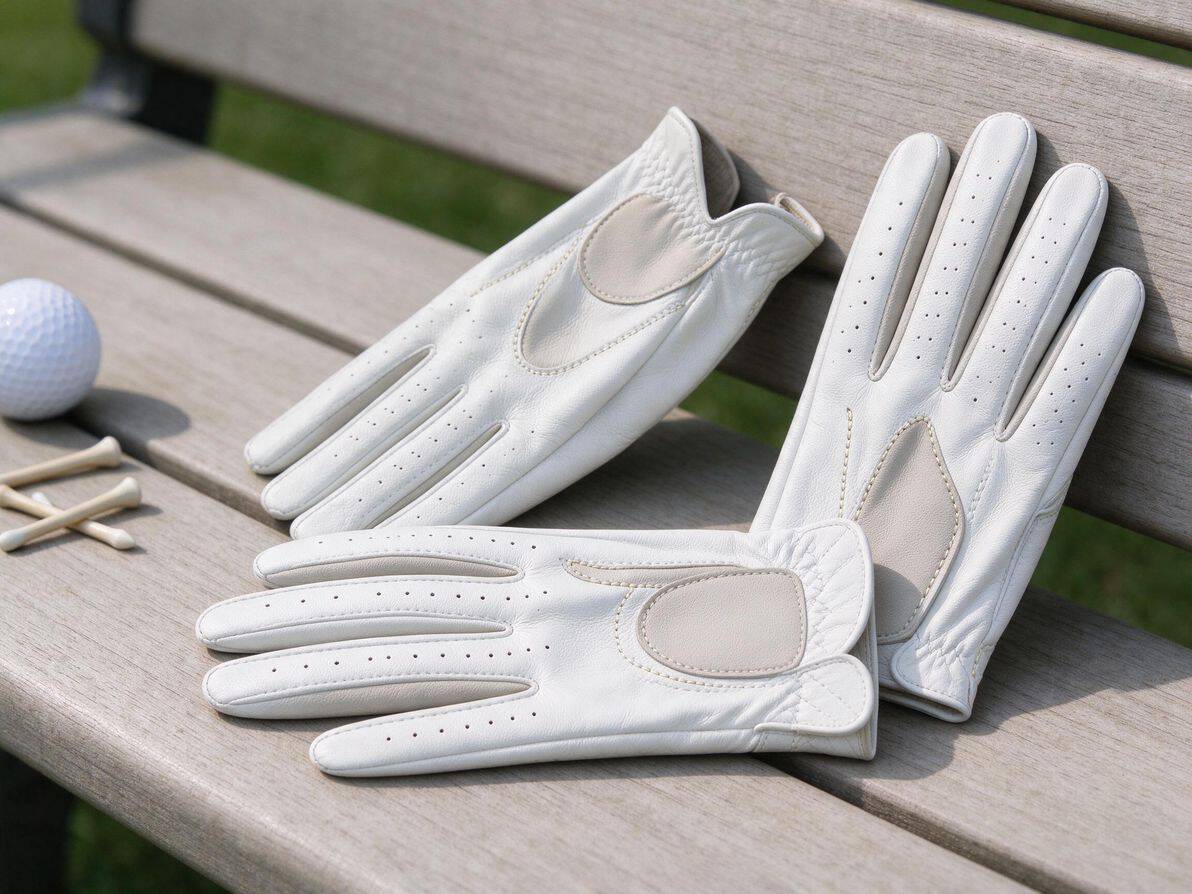
A few simple habits stretch the life of your gloves and save you money over a season. The biggest wins come from rotation, drying, and storage.
Rotate Two or Three Gloves
Buy two or three gloves and alternate them across rounds. Each glove needs time to dry out completely after use, and rotating gives every glove that time. A single glove worn round after round stays damp inside, which breaks down the leather or synthetic material faster. With rotation, each glove handles fewer rounds and holds its shape longer.
Let Each Glove Dry Between Rounds
After a round, pull the glove off and lay it flat in a well-ventilated spot at room temperature. Never leave a damp glove in a closed bag. Trapped moisture weakens the material and can cause odor.
Give each glove a full day to dry before you wear it again. This one habit alone can add several rounds to a glove's life.
Avoid Crumpling Gloves in Your Bag
Stuffing a glove into a side pocket or ball pouch crumples the palm and fingers. Once creased, the material does not bounce back, and the folds become stress points that wear out first.
Instead, place gloves flat in your bag or hang them from a carabiner clip on the outside of the bag so air can circulate. A flat, dry glove keeps its shape and grip texture round after round.
These three habits work together. Rotate your gloves, dry each one fully, and store them flat. Your gloves will grip better and last noticeably longer.
How to Clean, Dry, and Store a Golf Glove
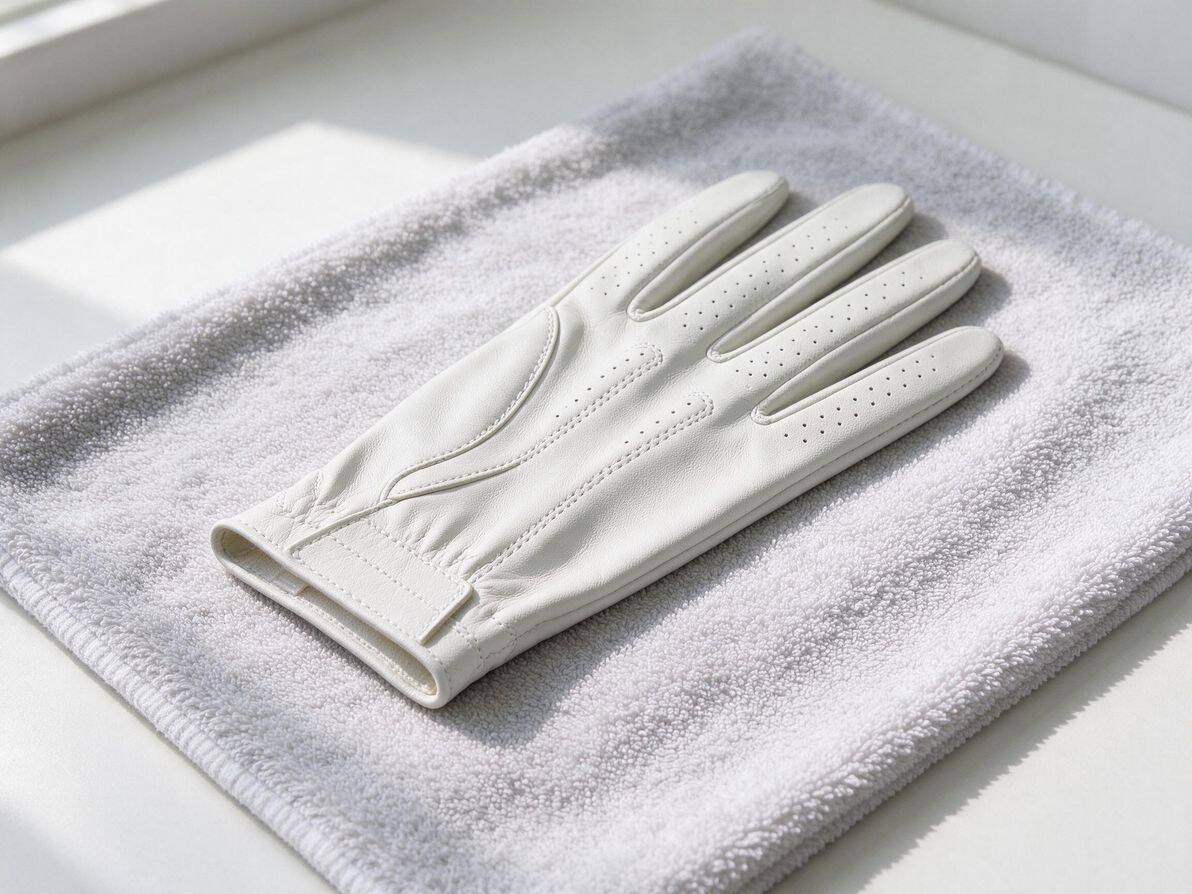
Proper care adds weeks to a glove's life. Dirt, sweat, and moisture break down leather and synthetic materials. A few simple habits, done after every round, keep your glove performing round after round.
Clean With Mild Soap and Water
Hand-wash your glove after every few rounds, or whenever it looks dirty. Fill a sink with lukewarm water and add a small amount of mild soap. Work the soap into the palm and fingers with your hands, paying attention to the areas that contact the club.
Rinse thoroughly until the water runs clear. Squeeze out excess water gently. Never wring the glove, as twisting damages the material and stretches the fit.
You will need:
- Mild soap
- Lukewarm water
- A clean towel
- A flat drying surface
Air-Dry Flat at Room Temperature
Lay the glove flat on a clean towel. Shape the fingers and palm so the glove dries in its natural form, not curled or bunched. Leave it at room temperature until completely dry, usually several hours or overnight.
Check that the inside is dry before storing. A damp glove breeds odor and weakens the material from within.
Avoid Heat and Store in a Breathable Spot
Never use heat to dry a golf glove. No radiator, no direct sunlight, no hair dryer. Heat cracks leather, shrinks synthetic fibers, and ruins the fit you worked to get right.
Store your dry glove in a breathable spot. A mesh pocket in your golf bag works. A sealed plastic bag traps moisture and invites mildew. Some golfers keep a dedicated glove pouch with ventilation holes.
Rotate between two or three gloves when you play frequently. Each glove dries fully between rounds, which slows wear on all of them. Never leave a wet or sweaty glove crumpled in your bag.
Clean clubs matter too. Grit on your grips acts like sandpaper against your glove. Keep your clubs clean with our guide on cleaning your golf clubs like new.
A clean, dry, properly stored glove holds its shape, keeps its tack, and stays comfortable for more rounds.
How to Revive a Worn or Dirty Glove
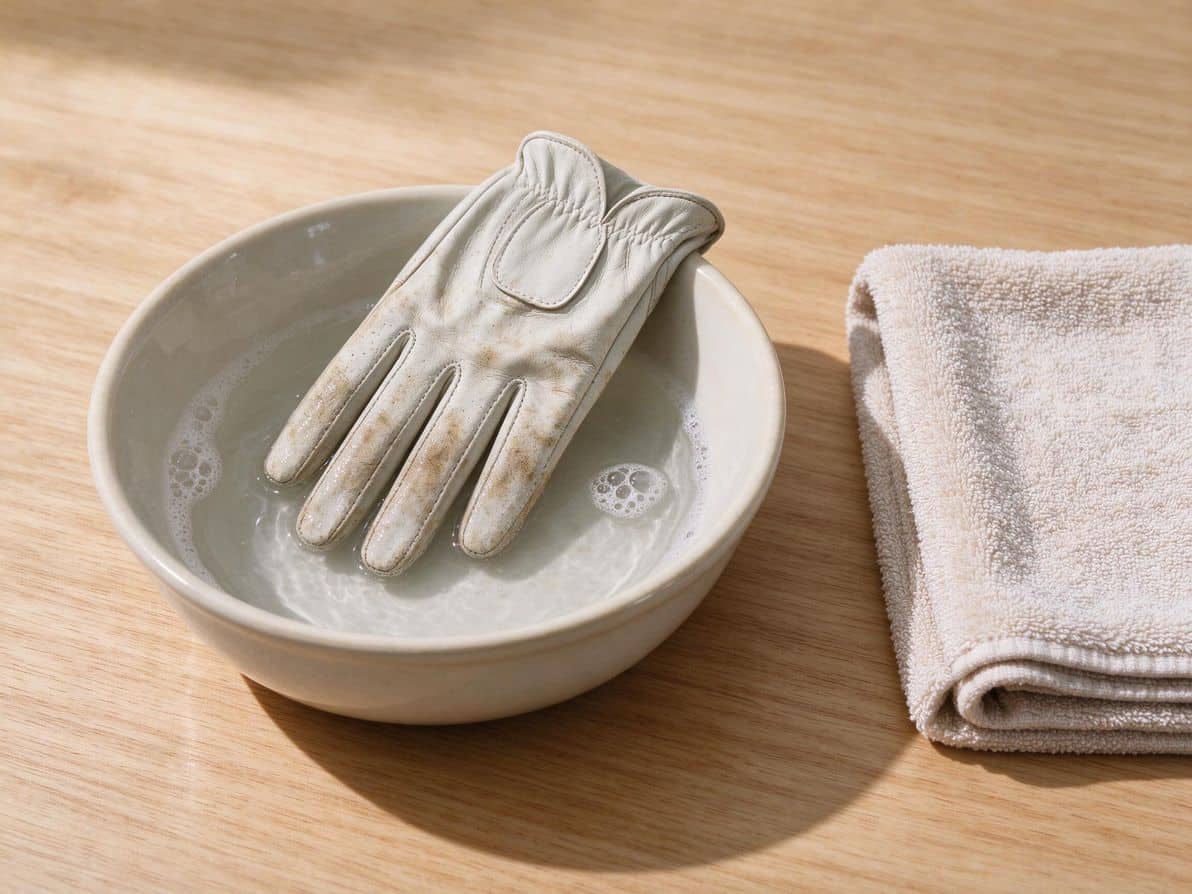
You can extend the life of a golf glove with basic cleaning and drying. Revival does not fix structural wear, but it removes dirt and restores some grip texture.
Clean Before Judging Wear
Dirt and sweat break down leather and synthetic materials faster than normal use. Clean your glove before you decide it needs replacing.
Wash the glove in lukewarm water with mild soap. Work the soap into the palm and fingers with your hands. Rinse until the water runs clear.
Lay the glove flat on a clean towel. Roll the towel around the glove and press gently to remove excess water. Do not wring or twist the glove.
Let the glove air-dry at room temperature, away from direct sunlight or heat. A flat drying surface keeps the glove in shape. Once dry, the material often feels softer and grips better than before cleaning.
When a Glove Is Past Repair
Some wear cannot be reversed. Check these signs before you invest time in revival.
- Thin or shiny patches in the palm, especially at the base or thumb pad
- Cracked or stiff leather that no longer flexes with your hand
- Seams that split when you pull gently on them
- Velcro that no longer holds the strap closed
A glove with any of these problems will not grip safely. Replace it rather than risk a club slipping during your swing. Rotating two or three gloves and letting each dry fully between rounds prevents most premature wear, so the next glove lasts longer from the start.
Frequently Asked Questions
How should a golf glove fit and be worn?
A golf glove should fit like a second skin, with no extra material bunching in your fingers or palm. Extra material causes abrasion and speeds up wear. An oversized glove also reduces grip quality. Some guidance suggests leaving about a quarter inch of Velcro visible when the glove is closed, though this is not a fixed rule. Try gloves on before you buy.
Check that your fingers reach the end of the glove sleeves without excess space.
What causes golf gloves to wear out, and how can you prevent holes?
Wear comes from friction, pressure, and poor care. Abrasion on the base of the palm or thumb pad points to an improper grip. Keeping the club more in your fingers and less in your palm reduces friction and slows wear.
Rotating between two or more gloves lets each one dry fully, which also extends its life. Never leave a glove crumpled or wet in your bag.
What does wear on different parts of a golf glove reveal about your grip?
Wear on the base of the palm or the thumb pad signals that your grip needs adjustment. These areas take extra friction when you squeeze too hard or let the club move in your hand.
The thumb acts as an anchor, and excess pressure grinds the leather against the club shaft. If you see wear in these spots, check your grip pressure and hand position before your next round.
How can you make a golf glove last longer?
Rotate gloves so each one dries completely between uses. Store gloves flat in a breathable area, never crumpled or damp in a bag.
Keep the club in your fingers rather than deep in your palm to cut friction. Check fit regularly, because a glove that loosens or tightens over time wears unevenly.
How should you clean, dry, and store a golf glove?
Wash your glove with mild soap and water, then lay it flat to air-dry at room temperature. Keep it away from heat sources like radiators or direct sunlight, which damage the leather.
Store the dry glove in a breathable spot, not sealed in a plastic bag. You need mild soap, water, a clean towel, a flat drying surface, and a breathable storage area.
How can you revive a worn or dirty golf glove?
Cleaning and drying is the supported step for a dirty or worn glove. Wash it with mild soap and water, then lay it flat to air-dry at room temperature.
No verified method for restoring a heavily worn glove was supplied. Replace a glove that has thin spots or holes rather than trying to repair it.
Final Thoughts
Golf glove wear is fixable. The three levers are fit, grip pressure, and care habits. A glove that fits like a second skin, with no extra material bunching in the fingers or palm, grips better and lasts longer.
Check your current glove for wear patterns on the thumb pad and palm base. Those marks point to where your grip needs adjustment. Excess pressure or a shifting hand grinds the leather against the club with every swing.
Your grip technique directly affects how fast the glove breaks down. The thumb anchors the club, so heavy pressure there wears the leather fastest. Lighten your grip pressure and keep your hand steady through the swing. Small changes here extend glove life noticeably.
Care habits matter as much as technique. Clean your glove with mild soap and water after dirty rounds. Air-dry at room temperature, never with heat.
Store it flat or loosely rolled, not crumpled in your bag. Rotate two or three gloves so each one gets rest between rounds. Wet or dirty gloves degrade faster, so address moisture and dirt promptly.
If your glove is already worn, you can revive a dirty one with a gentle wash. A stiff or cracked glove is past saving, but a dirty or lightly worn one often responds to proper cleaning and conditioning.
Start today: check your glove fit, inspect the wear pattern, and adjust your grip pressure on your next range session. Then build the cleaning and rotation habits into your post-round routine.
Your gloves will last longer, your grip will feel more secure, and you will spend less on replacements. Fix the cause, not just the symptom, and your glove game improves across every round.