

The 5 wood vs 7 wood decision usually comes down to one question: do you need more distance or more height? Both are fairway woods, but they fit into your bag differently.
A 5 wood carries 18 to 20 degrees of loft, while a 7 wood carries 21 to 24 degrees. That gap shapes how each club launches and how far it flies.
More loft generally costs you distance and gains you height, so the 7 wood is the easier club to get airborne. The 5 wood is the longer option for players who can launch it.
In this article, we break down loft and shaft length, compare distance and launch, and help you pick the fairway wood that fits your bag and the shots you face.
Loft and Shaft Length
Loft is the first number to check when you compare a 5 wood and a 7 wood. The gap looks small on paper, but it changes how the club behaves at impact and what you can do with the shot.
5 Wood Loft: 18-20 Degrees
A 5 wood carries 18 to 20 degrees of loft. That lower loft suits golfers who want a fairway wood that covers ground off the tee and from the fairway, with less height than a 7 wood.
7 Wood Loft: 21-24 Degrees
A 7 wood carries 21 to 24 degrees of loft. The extra loft helps get the ball airborne with less effort and gives you more stopping power on approach shots. If your long irons come in low and roll out, the 7 wood addresses that.
How Shaft Length Differs
The 7 wood also has a shorter shaft than the 5 wood. That combination of more loft and less length is why it plays easier, since the shorter shaft gives you more control over the clubhead.
The 5 wood's longer shaft is part of what gives it the distance advantage.
A simple way to think about it: the 5 wood is built to cover ground, and the 7 wood is built to launch and hold. Neither is better in isolation. Your gaps at the top of the bag and the shots you face decide which one earns the slot.
Do not buy on loft alone. Check the shaft length too, since two clubs with the same loft can play differently depending on the shaft. In the next section, we look at how those differences translate into distance.
Distance and Launch Compared
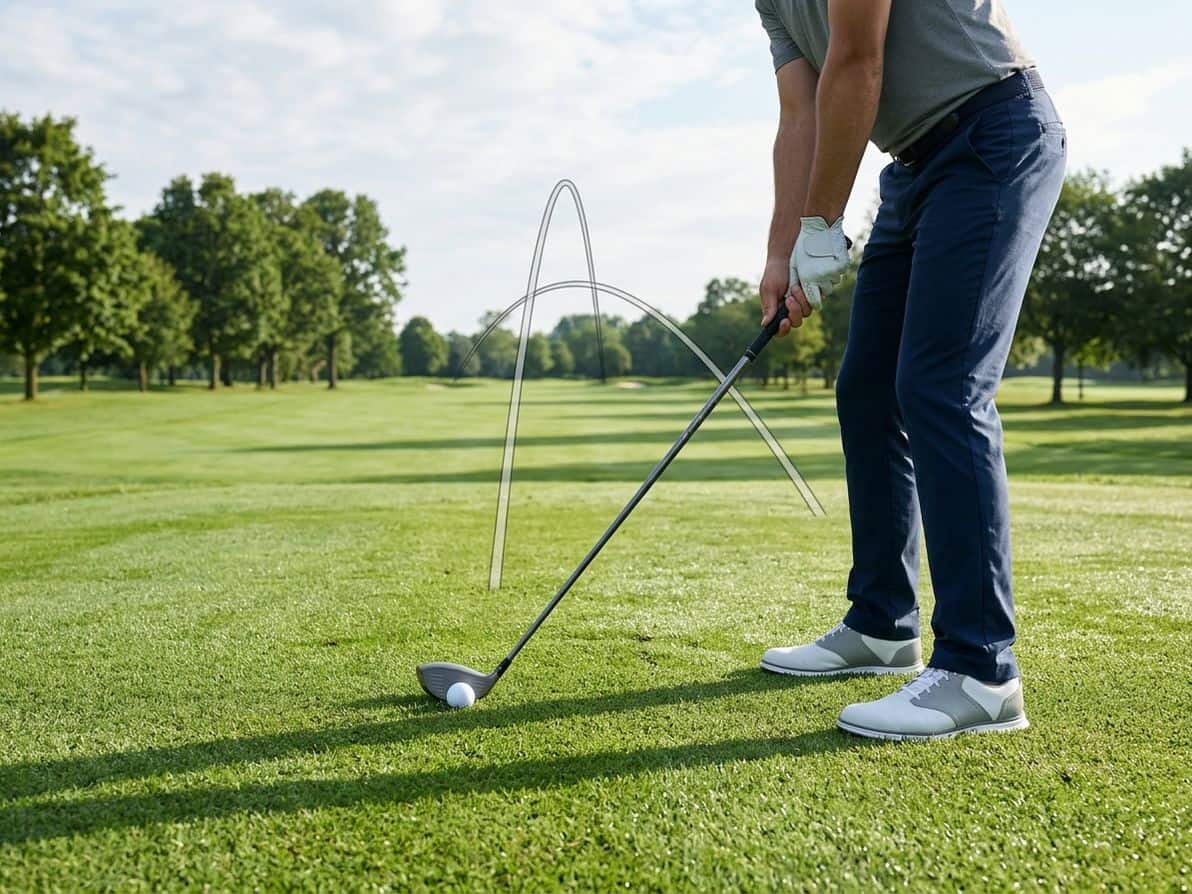
Loft affects both how far the ball flies and how steeply it comes down. A 5 wood at 18 to 20 degrees and a 7 wood at 21 to 24 degrees sit close together in the bag, so the choice depends on which end of that gap your game needs.
How Far Each Club Travels
The 5 wood is the longer club of the two. Its lower loft and longer shaft send the ball farther on a flatter trajectory. The 7 wood trades some of that length for height, with more loft and a shorter shaft producing a higher flight that lands more softly.
The typical distance difference between the two clubs is 10 to 20 yards. Treat that as a guide to the gap, not a guarantee for your swing.
Typical Gap of 10-20 Yards
That 10 to 20 yard gap is the number to build your set around. It tells you whether the two clubs can sit in your bag without overlapping, or whether one leaves a hole in your yardage coverage.
A few practical ways to use it:
- If you carry a 3 wood and a 4 hybrid, a 7 wood may fit more cleanly than a 5 wood.
- If your longest iron is a 4 iron, a 5 wood can fill the gap above it.
- If you already carry a 5 wood, a 7 wood adds a higher, softer option rather than replacing it.
Flight Height and Stopping Power
The 7 wood wins on height and stopping power. Its extra loft sends the ball up faster and brings it down at a steeper angle, which helps it hold a green on long approach shots. The 5 wood flies lower and runs out more after landing.
For players who struggle to get long irons airborne, the 7 wood is the friendlier club. For players who want maximum carry from a fairway wood, the 5 wood is the better fit. Match the club to the shot you face most often.
Which Club Is Easier to Hit

Ease of hitting comes down to two numbers: loft and shaft length. The 7 wood wins both.
Its 21 to 24 degrees of loft get the ball airborne with less effort, and the shorter shaft gives you a more controlled swing. The 5 wood's 18 to 20 degrees reward a solid strike with more distance, but that lower loft leaves less room for error.
If you want a club that is easier to launch, the 7 wood is the friendlier option. If you find the center of the face consistently, the 5 wood gives you more distance for that strike.
Why the 7 Wood Launches More Easily
More loft does more of the lifting. At 21 to 24 degrees, the 7 wood sends the ball up faster than the 5 wood, which helps when you need height to carry a hazard or stop a shot on a green. The shorter shaft adds control, so the clubhead is easier to return to the ball squarely.
That makes the 7 wood a strong choice from rough or awkward lies, where you need launch without a perfect strike. If you are comparing it with a hybrid golf club, start with the launch and forgiveness you need from that slot.
What a 5 Wood Asks of the Golfer
The 5 wood asks for a cleaner strike. Because it launches lower than the 7 wood, it needs solid contact to get the ball up and carrying. Miss the center of the face and the lower flight shows it.
In return, the 5 wood gives you more distance, which suits a longer fairway shot or a tee shot on a tight hole. The trade-off is less height and less stopping power, so holding a firm green is harder.
If you strike your longer clubs well, the 5 wood rewards that. If you want help getting the ball airborne, the 7 wood is the easier club to live with.
Matching Each Club to the Shot

The loft gap between these clubs changes what each one does well. The difference shows up most clearly in four situations: the tee, the fairway, the rough, and the approach into a green.
Tee Shots With Fairway Woods
On tight par 4s and short par 5s, the 5 wood is the distance club. Its lower loft sends the ball out flatter and farther, which suits a player who wants position without pulling the driver.
For the same decision at the top of the bag, see driver vs 3-wood off the tee.
The 7 wood still works from the tee, but expect a higher flight and a shorter carry. Use it on holes where a specific number into the fairway matters more than raw length.
Shots From the Fairway
From a clean lie, both clubs are straightforward. The 5 wood rewards a solid strike with more run-out and a lower trajectory. The 7 wood is easier to launch because of its extra loft and shorter shaft, so it suits players who struggle to get a 5 wood airborne.
Playing From the Rough
Thick grass punishes low loft. The 21 to 24 degrees of a 7 wood gets the ball up and out with less effort, and the shorter shaft helps you control the strike. A 5 wood can still work from a light lie, but heavy rough is where the 7 wood's loft is most useful.
Holding Greens on Approach
This is the 7 wood's clearest advantage. More loft means a steeper descent and more stopping power, so long par 4 and par 5 approaches are more likely to hold the surface. The 5 wood flies lower and runs out more, which suits a bump-and-run style or a green with room in front.
Match the club to the shot you face most often. If your long approaches need to stop, the 7 wood earns its slot. If you need distance from the tee and fairway, the 5 wood does more work.
Choosing Between a 5 Wood and 7 Wood

Fit comes down to ball flight, launch, and gapping. A 5 wood at 18 to 20 degrees launches lower and travels farther. A 7 wood at 21 to 24 degrees flies higher and lands more softly. Match the club to the shots you face, not to the number on the headcover.
Golfers Who Benefit From a 7 Wood
The 7 wood suits you if you need height and stopping power. Its extra loft and shorter shaft make it easier to launch, and its steeper descent helps the ball hold a green on longer approaches. It also works from rough and tricky lies where a lower-lofted wood is harder to get airborne.
If your long irons and hybrids come in low and run out, a 7 wood gives you a club that flies higher and holds better. The trade-off is distance.
Golfers Who Suit a 5 Wood
A 5 wood fits you if you want more carry and a flatter trajectory. It covers the space between a 3 wood and your longest iron or hybrid, and it works off the tee on tight holes as well as from the fairway.
Pick it when your priority is distance into par 5s and long par 4s, and when you can launch a fairway wood consistently. The trade-off is a lower flight and less stopping power on firm greens.
Checking Gapping Before Carrying Both
Before you add either club, map your carry distances. Hit your 3 wood, your longest hybrid, and your longest iron, then compare the gaps. If the space between two clubs is already tight, a 7 wood may overlap with a hybrid rather than fill a hole. The guide to fixing overlapping club distances walks through that process.
If you are weighing a 5 wood against a hybrid, the 5-wood vs 3-hybrid comparison covers that call.
Should You Carry Both?
Carry both only if the lofts leave a real gap between them and neither duplicates a hybrid or long iron. A 5 wood at 18 to 20 degrees and a 7 wood at 21 to 24 degrees can each earn a spot when that gap is useful.
Choose one when your gapping is already covered and the extra slot belongs to another club.
Common Mistakes When Choosing a Fairway Wood

Most fairway wood mistakes happen before you hit a shot. Loft, distance, and launch are tied together, so fixing one number in isolation often creates a gap somewhere else. Here are the four traps to avoid.
Judging Only by Loft
Loft is the first number to check, but it is not the whole story. A 5 wood and a 7 wood differ by only a few degrees on paper, and shaft length changes how a fairway wood actually plays.
Treat loft as a starting point, not a verdict. Compare the full club, not only the number stamped on the sole.
Choosing by Distance Alone
Distance matters, but it is only half the job. A 5 wood generally travels farther than a 7 wood because it has less loft and a longer shaft. That extra yardage is wasted if the ball runs out and rolls off the back of the green.
If your approach shots need to hold a green, pick the wood that lands more softly, even if it is shorter off the tee.
Skipping a Gapping Check
A fairway wood has to fit between the clubs you already carry. If you add a 5 wood without checking the gap to your 3 wood, hybrid, or longest iron, two clubs may end up covering the same distance. Hit each club on a launch monitor or at the range and note the carry numbers.
A 7 wood may fit more cleanly if you already carry a 3 wood and a 4 hybrid. The gapping check is what decides whether the club earns a spot.
Picking the Strongest Loft for Easy Launch
A stronger loft does not automatically make a wood easier to launch in every situation. If your main need is a high, soft flight from the fairway, the 7 wood's extra loft and shorter shaft generally make it easier to hit than a 5 wood.
Choosing the lower-lofted 5 wood when you want height works against you. Match the loft to the shot you need, not to the distance number you want to see.
Get these four checks right and the 5 wood vs 7 wood choice becomes a fit decision rather than a guess.
Frequently Asked Questions
How far does a 5 wood go compared with a 7 wood?
A 5 wood usually flies farther because it has less loft, at 18 to 20 degrees, and a longer shaft. A 7 wood at 21 to 24 degrees trades some of that distance for a higher flight. The typical difference is 10 to 20 yards, and your own gap will depend on your swing and equipment.
Is a 7 wood easier to hit than a 5 wood?
Yes, generally. The extra loft on a 7 wood helps get the ball airborne, and the shorter shaft is easier to control. If you struggle to launch a 5 wood consistently, the 7 wood is the friendlier club.
Should you carry both a 5 wood and a 7 wood?
Only if the distance gap between them is useful and neither duplicates a hybrid or long iron. Check your gapping first. If the two clubs would cover the same yardage, carry one.
Which is better for hitting into greens or out of the rough?
The 7 wood is the better choice for both. Its higher loft produces a steeper descent and more stopping power on approach shots, and the shorter shaft helps from thick lies. The 5 wood flies lower and runs out more, so it suits a bump-and-run approach rather than holding the ball on the green.
5 wood vs 7 wood off the tee
The 5 wood is the stronger tee club. Its lower loft at 18 to 20 degrees and longer shaft give you more distance on tight holes where a driver is too much. The 7 wood still works off the tee when you need a controlled shot to a specific number, but it gives up distance for that height.
Final Thoughts
The 5 wood and 7 wood decision comes down to what your bag is missing. If you need a club that covers ground off the tee and from the fairway, the 5 wood at 18 to 20 degrees gives you more length and a lower, running flight.
If your priority is launching the ball high, holding greens, and getting out of the rough with less effort, the 7 wood at 21 to 24 degrees is the friendlier tool.
Neither club is automatically better. The right pick depends on the gap you're trying to fill and the shots you face. Before you buy, check the loft and shaft length of the clubs already in your bag, then ask what yardage and ball flight you're missing.
If your set already has a 3 wood and a 4 hybrid, check whether a 7 wood or a 5 wood fills the gap that remains.
A few next steps worth taking:
- Compare the loft and shaft length of your current fairway woods and hybrids before deciding.
- If you have access to a launch monitor, watch peak height and descent angle as closely as total distance.
- Do not choose by distance alone; stopping power into greens matters just as much.
Pick the club that fits your game and your gaps, not the one with the bigger number on the sole. The best fairway wood is the one you trust to hit the shot in front of you.