

You finally found the driver that straightens your drives, and three months later the shaft snaps on a routine swing. Or maybe your favorite wedge developed a hairline crack in the face, and you're not sure if that's something the manufacturer will stand behind.
Golf club warranties exist for exactly these moments, but most golfers have never read the fine print until they need it.
Filing a claim shouldn't feel like a second job. The difference between a quick replacement and a denied claim usually comes down to three things: knowing what your warranty actually covers, having your paperwork ready, and asking for the right outcome.
Brands like TaylorMade and Titleist build solid coverage into their clubs, but the terms differ in ways that matter when your gear fails. TaylorMade covers defects in materials and workmanship for two years from purchase at an authorized retailer.
Titleist offers a one-year limited warranty and handles repairs or replacements at no charge for qualifying products. TaylorMade's policy excludes abuse, alteration, and third-party damage, and requires proof of purchase from an authorized retailer. Check Titleist's terms for its own eligibility and exclusion rules.
This golf club warranty and repair guide walks you through the entire process. You'll learn how to tell a covered defect from normal wear, what documentation to gather before you contact anyone, and the step-by-step path to filing a claim.
We also cover when to push for a repair versus a replacement, how to choose between a refund and a new club, and the mistakes that quietly void claims before they start. Whether your issue is a cracked face, a loose hosel, or a grip that failed early, you'll know exactly what to do next.
- 1) Know What Your Warranty Covers
- 2) Gather Proof of Purchase and Documentation
-
3)
Step-by-Step: How to Claim a Golf Club Warranty
- 3.1) Step 1: Confirm the Purchase Source and Locate Proof of Purchase
- 3.2) Step 2: Review the Brand Warranty Terms for Coverage, Exclusions, and Claim Windows
- 3.3) Step 3: Contact the Manufacturer or an Authorized Dealer
- 3.4) Step 4: Obtain a Return Authorization or Inspection
- 3.5) Step 5: Submit the Club and Requested Documentation
- 3.6) Step 6: Wait for the Repair, Replacement, or Refund Decision
- 4) Repair, Replacement, or Refund: Choosing the Right Outcome
- 5) Common Mistakes That Delay or Void Claims
-
6)
Frequently Asked Questions
- 6.1) What counts as a warranty defect versus normal wear and tear?
- 6.2) What proof of purchase or photos are required for a claim?
- 6.3) Should a golfer ask for repair, replacement, or refund?
- 6.4) Can a local shop submit the claim to the manufacturer?
- 6.5) Which problems are commonly covered or excluded under club warranties?
- 7) Final Thoughts
Know What Your Warranty Covers
Before you file a claim, read the warranty card that came with your clubs. The fine print decides whether your broken shaft, cracked driver head, or loose ferrule gets fixed for free. Most golf club warranties follow the same basic structure, but the details shift in ways that trip people up.
Nearly every major brand requires purchase from an authorized retailer to activate coverage. TaylorMade states this plainly: clubs must be bought from an authorized retailer, and you need proof of purchase from that retailer.
Buying from a friend, an online marketplace seller, or a discount site outside the brand's dealer network usually voids the warranty entirely. Keep your receipt, order confirmation, or invoice. Without it, you will likely be turned away before your claim is even reviewed.
Defects in Materials and Workmanship vs. Normal Wear and Tear
Warranties cover manufacturing flaws, not the damage you cause through normal play. A defect means the club failed because of how it was built: a shaft that snaps on a routine swing, a head that cracks at the crown, or a grip that delaminates within weeks.
Knowing which part failed helps you describe the problem clearly, and our guide to golf club components explains what each part does. Normal wear and tear is the gradual damage that comes from hitting balls and scraping turf. Grooves wearing down, paint chipping from bag rub, and grips getting slick from use are expected. Brands draw this line sharply.
TaylorMade covers defects in materials and workmanship for 2 years from purchase. Titleist covers qualifying products for 1 year. If your problem falls on the wear-and-tear side, expect to pay for the repair yourself.
Common Exclusions: Abuse, Alteration, Defacement, Misuse, and Third-Party Damage
TaylorMade lists specific exclusions that apply to most brands. Abuse means hitting rocks, trees, or the ground intentionally. Alteration covers any modification to the club, including trimming a shaft yourself or bending the hosel. Defacement means removing or covering serial numbers.
Misuse includes using a club for something it was not built for, like prying open a paint can. Third-party damage is harm caused by anyone other than you, such as a repair shop that installs a grip incorrectly.
If any of these apply, the warranty does not cover the damage. When you clean your clubs, use the right methods; aggressive scrubbing with abrasive pads can count as abuse and void your coverage.
How Warranty Length Varies by Brand
Warranty periods differ enough to matter when you are deciding between clubs. TaylorMade offers 2 years for defects in materials and workmanship. Titleist offers a limited 1-year warranty and can repair or replace qualifying products at no charge. If a club becomes unavailable, TaylorMade may replace it with a same or comparable product, or refund the purchase price minus depreciation.
Check your specific brand's policy before you assume coverage. Some brands extend warranties on certain product lines, and pre-owned programs like Callaway Golf Pre-Owned or GlobalGolf Certified PreOwned carry their own separate terms. If you are unsure what your clubs cover, contact the manufacturer directly with your serial number and proof of purchase ready.
Knowing these rules upfront saves you a frustrating back-and-forth with customer service. Match your problem to the warranty language, gather your documents, and you will know quickly whether your claim has a real chance.
Gather Proof of Purchase and Documentation
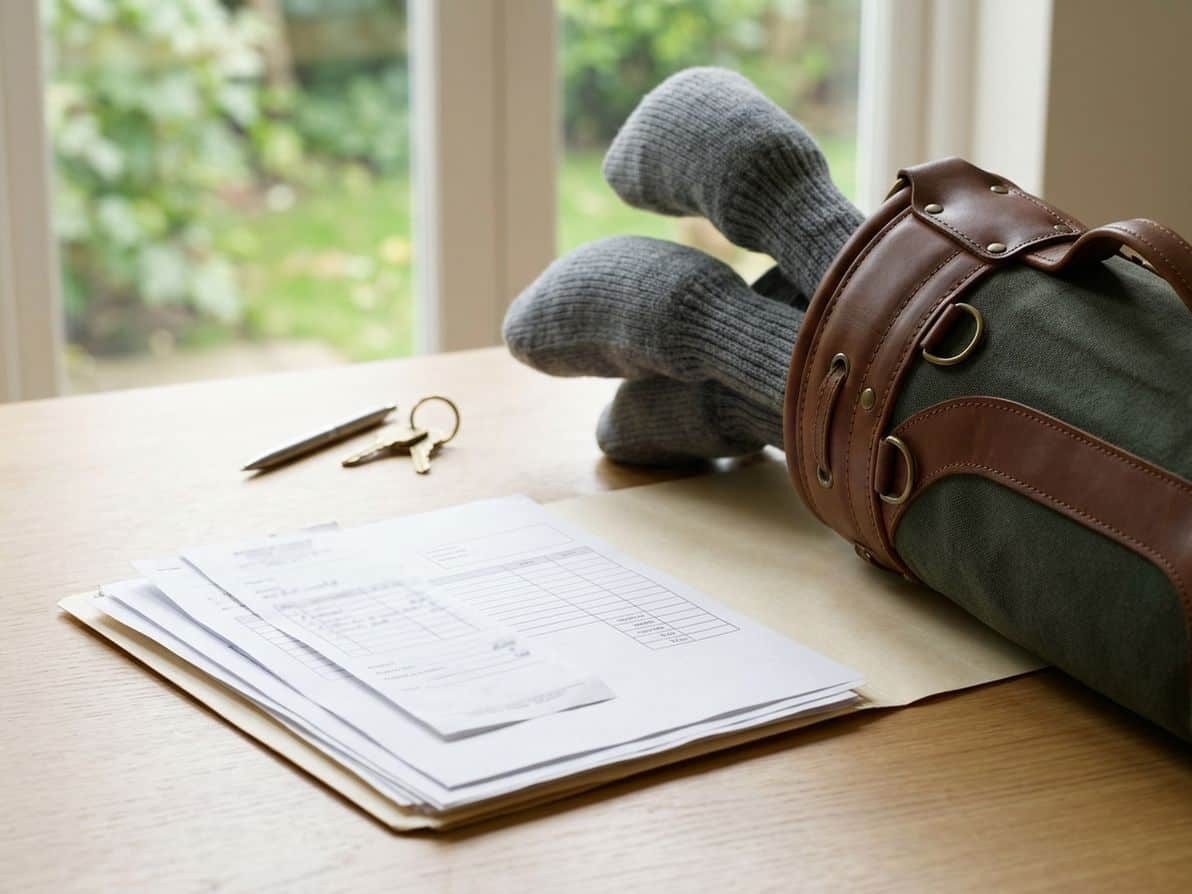
A warranty claim lives or dies on paperwork. Before you contact any brand or visit a shop, collect everything that proves you bought the club and shows what went wrong. Missing documents are the most common reason claims get delayed or denied.
Original Receipt or Proof of Purchase
Your original receipt is the single most important document. Brands require it to confirm two things: you bought the club from an authorized retailer, and the purchase date falls inside the warranty window.
TaylorMade covers defects in materials and workmanship for 2 years from purchase, but only when you bought from an authorized retailer. Titleist offers a limited 1-year warranty; confirm its proof-of-purchase rules on its current warranty page.
If you lost the paper receipt, check your email for a digital copy, your credit card statement, or the retailer's online account portal. Many shops can reprint a receipt if you provide the date, approximate amount, and payment method.
Buying clubs from unauthorized sellers or private parties usually voids the warranty entirely, which is one reason buying used golf clubs safely starts with verifying the seller's authorization status.
Documentation the Brand May Request
Beyond the receipt, prepare the following before you start the claim:
- Photos of the damage: Take clear, well-lit images from multiple angles. Include a shot of the club head, the shaft near the break or crack, and the grip if relevant. Add a photo of the serial number, usually stamped on the hosel or sole.
- Description of what happened: Write down when and how the problem occurred. Note whether it happened during normal play, during a fitting session, or after a specific incident.
- Purchase details: Date of purchase, retailer name and location, club model, shaft flex, and any custom specifications.
- Your contact information: Full name, shipping address, phone number, and email.
TaylorMade explicitly excludes abuse, alteration, defacement, misuse, and third-party damage. If your documentation shows the club was modified by a third-party shop or damaged by misuse, expect the claim to be denied. Check Titleist's warranty terms for its own exclusion list. Honest, detailed documentation helps the brand assess your claim quickly and fairly.
Tools and Materials Checklist Before You Start
Keep these items ready so you can file the claim without hunting for anything mid-process:
- Original receipt or bank/credit card statement showing the purchase
- Club in hand for photos and serial number capture
- Smartphone or camera for clear images
- Ruler or tape measure if you need to show damage dimensions
- Notepad or document for recording claim numbers, representative names, and dates
- The brand's warranty claim form, if the brand provides one on its official website
- Shipping box and packing materials if the brand asks you to return the club
One practical tip: file the claim as soon as you notice the problem. Waiting risks pushing your issue past the warranty expiration date, especially with Titleist's 1-year window.
If your club is near the end of coverage, mention the purchase date prominently in your first message. Having everything organized upfront turns a stressful situation into a straightforward process, and it signals to the brand that you are serious about a legitimate claim.
Step-by-Step: How to Claim a Golf Club Warranty
Filing a warranty claim does not need to be stressful. Follow these six steps to move from a broken club to a resolution.
Step 1: Confirm the Purchase Source and Locate Proof of Purchase
Check where you bought the club. Most major brands, including TaylorMade and Titleist, require purchase from an authorized retailer for warranty coverage. Clubs bought from unauthorized sellers, online marketplaces without brand authorization, or secondhand sources typically do not qualify.
Find your receipt, order confirmation email, or credit card statement. Without proof of purchase, most manufacturers will deny the claim immediately. Keep digital and physical copies in a safe place.
Step 2: Review the Brand Warranty Terms for Coverage, Exclusions, and Claim Windows
Read the warranty document for your specific brand. TaylorMade covers defects in materials and workmanship for 2 years from purchase. Titleist offers a limited 1-year warranty. TaylorMade's policy excludes abuse, alteration, defacement, misuse, and third-party damage.
Check Titleist's terms for its exclusions. Check the claim window. If your club is past the warranty period, you are usually out of luck for a free repair or replacement.
Note what counts as a defect versus normal wear. Shaft cracks from a routine swing may qualify; dents from hitting a cart path usually do not.
Reach out through the brand's official customer service channel. Call, email, or use the online warranty form on the manufacturer's website. Some brands prefer you start with the dealer where you bought the club.
Titleist dealers can handle general repairs like reshafting, loft and lie adjustments, and regripping. For warranty claims, the dealer may inspect the club first or direct you to the manufacturer. Have your proof of purchase ready before you call.
Most manufacturers require a return authorization number before you ship anything. Do not send the club without one. The authorization links your claim to their system and prevents lost packages.
Some brands ask for photos first. Send clear images of the damage, the serial number, and the receipt. This step can resolve simple claims without shipping the club at all.
Step 5: Submit the Club and Requested Documentation
Package the club securely. Include the return authorization, proof of purchase, and a written description of the problem. Ship to the address provided by the manufacturer using a trackable method.
Keep your tracking number. If the package goes missing, you need proof of shipment. Some brands provide prepaid shipping labels; others require you to pay upfront and may reimburse you if the claim is approved.
Step 6: Wait for the Repair, Replacement, or Refund Decision
Turnaround times vary by brand and season. Expect anywhere from a few days to several weeks. TaylorMade may replace your club with the same or a comparable product, or refund the purchase price less depreciation if the original is unavailable.
Follow up if you do not hear back within the stated timeframe. Once you receive the decision, check the repaired or replacement club carefully before accepting it. If the resolution is unsatisfactory, ask about escalation options with customer service. A clean paper trail and prompt responses at each step give you the best chance of a smooth claim.
Repair, Replacement, or Refund: Choosing the Right Outcome
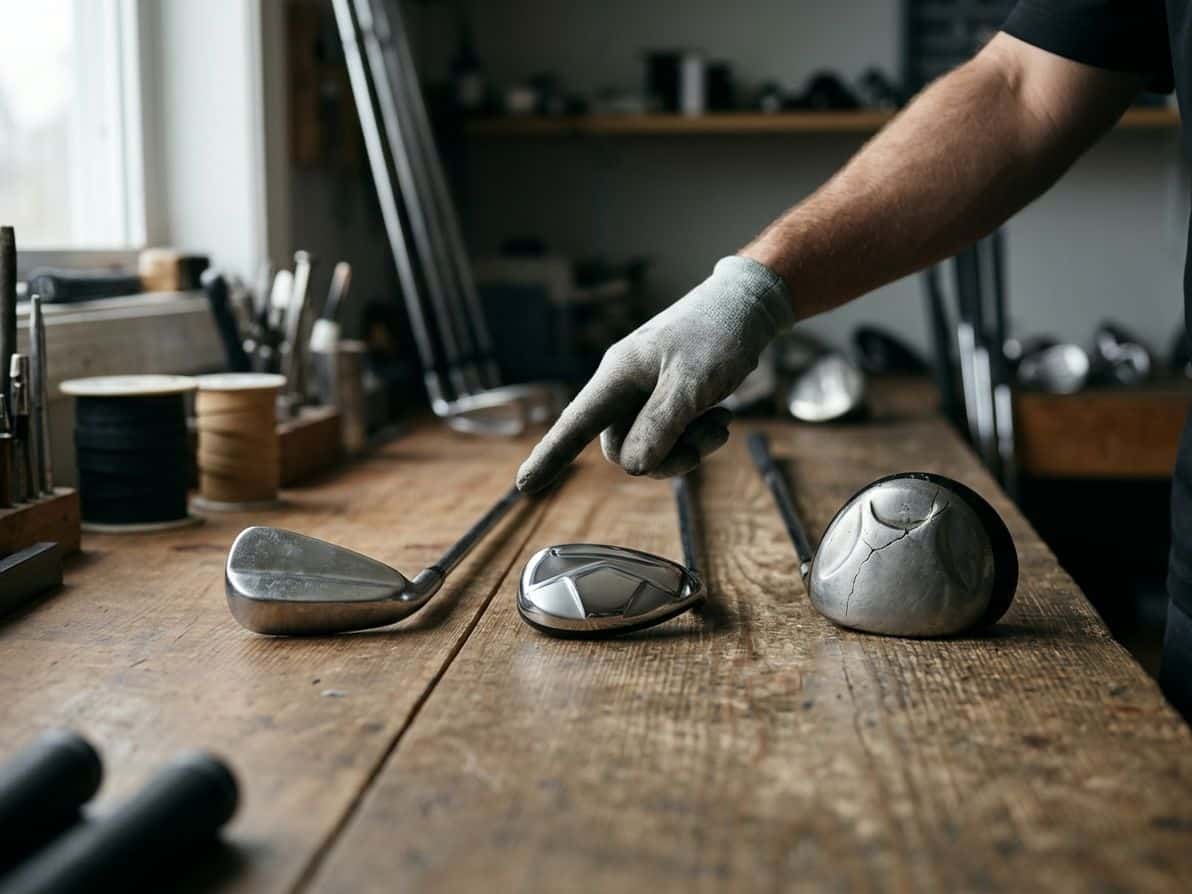
A warranty claim ends with one of three outcomes: repair, replacement, or refund. Each carries different trade-offs in time, cost, and what you walk away with. Knowing which outcome fits your situation helps you negotiate a fair result and avoid accepting less than you deserve.
When Repair Applies and What Dealers Can Handle
Repair is the standard outcome for localized damage that does not compromise the club's structural integrity. A cracked grip, a loose ferrule, or a shaft that has pulled slightly from the head are repairable defects. Manufacturers like Titleist explicitly cover repairs at no charge for qualifying products under their limited warranty.
Your local dealer may handle the repair work directly. Titleist dealers perform reshafting, loft and lie adjustments, and regripping as routine services.
Whether a dealer can submit a warranty claim for you depends on the brand and the shop, so ask before you ship anything. A dealer route keeps you from shipping the club yourself and lets you inspect the repair before taking the club home.
Ask the dealer whether the repair uses original manufacturer parts. A warranty repair should restore the club to factory specification, not a close approximation.
When Replacement Applies: Same or Comparable Product
Replacement applies when the defect cannot be repaired economically or safely. A cracked clubhead, a fractured shaft near the tip, or a driver face that has caved in are typical replacement cases. TaylorMade states it may replace the club with a same or comparable product when a repair is not possible.
"Comparable" matters. If your exact model is discontinued, the manufacturer may offer a current model with similar specifications. Check the loft, lie, shaft flex, and overall length before accepting. A comparable product should match your original as closely as possible in playability, not just in category.
Replacement usually takes longer than repair. The manufacturer must locate or allocate inventory, and shipping adds days. Confirm the expected timeline in writing. If you are weighing whether a club has simply reached the end of its useful life, our guide on how long golf clubs last offers useful context.
When a Refund Applies: Purchase Price Less Depreciation
A refund becomes relevant when the club is unavailable for replacement and repair is not an option. TaylorMade's policy allows a refund of the purchase price less depreciation in these cases. Depreciation reduces your payout based on how long you owned the club and how much you used it.
You receive a refund only after the manufacturer determines that neither repair nor replacement is viable. Do not request a refund first if you want to keep playing the club or an equivalent. A refund ends the relationship with that product entirely.
Keep your proof of purchase. Without a receipt from an authorized retailer, you may not qualify for any outcome, including a refund.
Questions to Ask Before Accepting an Outcome
Before you agree to any resolution, ask these questions:
- Is the repair covered under warranty at no cost to me, or will I pay labor or parts?
- If you replace the club, is the new club the same model or a comparable one, and what are the exact specifications?
- What is the depreciation calculation for a refund, and how was it determined?
- How long will the process take, and who pays for return shipping?
- Does accepting this outcome waive any other rights I have under the warranty?
Get the answers in writing, preferably by email. A clear record protects you if the outcome does not match what was promised. If the dealer or manufacturer pressures you to accept quickly, slow down. You have the right to understand the offer fully before agreeing.
The right outcome depends on your situation. A repairable defect with a quick turnaround favors repair. A destroyed clubhead with no repair path favors replacement. A discontinued model with no comparable match may leave refund as the only practical choice.
Common Mistakes That Delay or Void Claims
Warranty claims fail for predictable reasons. Avoid these four errors and your claim moves faster.
Assuming Cosmetic Wear Is a Covered Defect
Scratches on the crown, worn grips, and faded paint are not manufacturing defects. TaylorMade and Titleist both cover defects in materials and workmanship, not normal wear from use. A driver with 100 rounds on it will show cosmetic changes. That is expected.
File a claim for a cracked face, a shaft that fractures on a normal swing, or a hosel that separates. Do not file for scuffs, sole wear, or grip texture loss unless the grip failed within weeks of purchase.
TaylorMade requires proof of purchase from an authorized retailer, and Titleist's terms should be checked for the same rule. A receipt from an unauthorized online seller, a garage sale, or a friend voids your claim before it starts.
Keep your receipt, order confirmation, or invoice. If you bought through a local shop, that shop is your authorized seller and your documentation source. Without it, you have no claim.
Sending in a Club Altered or Damaged by Misuse
TaylorMade's warranty excludes abuse, alteration, defacement, misuse, and third-party damage. Do not send in a club you had reshafted at a discount shop, bent for lie angle, or regripped yourself. Do not send a club you hit into a tree, threw in frustration, or used to pry open something. Inspect the damage before filing.
If you altered the club or caused the damage, the claim will be denied.
Some brands route claims through the dealer where you bought the club. Titleist dealers can handle general repairs including reshafting, loft and lie adjustments, and regripping. Contact your local dealer first. They may be able to confirm whether your issue qualifies, help start the return authorization, and package the club correctly.
Bypassing the dealer and shipping directly to the manufacturer can delay the process or result in a returned package.
Frequently Asked Questions
What counts as a warranty defect versus normal wear and tear?
A warranty defect is a flaw in materials or workmanship that shows up under normal use, like a shaft cracking during a standard swing or a clubhead separating from the hosel without impact damage. Normal wear and tear covers scratches on the sole, worn grips, faded paint, and gradual performance loss from regular play.
What proof of purchase or photos are required for a claim?
You need a receipt or order confirmation from an authorized retailer showing the purchase date and product details. TaylorMade requires this proof, and Titleist's terms should be checked for its own requirements.
Should a golfer ask for repair, replacement, or refund?
Match the outcome to the damage. Ask for a repair when the defect is localized, such as a loose ferrule or a worn grip that failed early.
Can a local shop submit the claim to the manufacturer?
Some authorized dealers handle warranty submissions for you, but policies vary by shop and brand. Call your local pro shop or retailer first and ask if they manage claims directly.
Which problems are commonly covered or excluded under club warranties?
Covered problems typically include manufacturing defects like cracked shafts, loose clubheads, and faulty ferrules that fail under normal use. Excluded problems are abuse such as hitting rocks or concrete, damage from unauthorized alterations, cosmetic wear from regular play, and any third-party repairs that modified the club.
Final Thoughts
A broken club does not have to end your season. The warranty process works when you treat it as a paperwork exercise, not an argument. Start by checking your coverage window: TaylorMade gives you two years from purchase, Titleist gives you one. TaylorMade requires proof of purchase from an authorized retailer and excludes damage from abuse, alteration, or third-party repairs.
Confirm Titleist's own terms before you file. If your club qualifies, gather your receipt, note the purchase date and retailer, and photograph the damage before you contact the brand or your local dealer. The fastest path to resolution often runs through an authorized dealer. Titleist dealers can handle repairs like reshafting, loft and lie adjustments, and regripping.
Ask your retailer whether it can help start the claim. Either way, skipping the dealer step or sending in an altered club can stall your claim. Decide upfront whether you want a repair, a replacement, or a refund, and say so clearly. TaylorMade may substitute a comparable model or refund the depreciated price if your exact club is unavailable.
Your next move is simple: dig out that receipt today, confirm your coverage dates, and call the retailer or brand customer service before you ship anything. A five-minute phone call now saves weeks of back-and-forth later.
Keep your clubs maintained, keep your paperwork organized, and when a defect strikes, you will turn a frustrating break into a quick fix and get back on the course with confidence.