


Golf travel bag features for flying come down to three things: wheels that roll smoothly through airports, padding that protects your clubheads, and straps that keep everything locked in place. These features separate a bag that arrives intact from one that leaves you with damaged gear.
Wheel size and durability matter because larger wheels handle seams, curbs, and rough terminal floors better. Padding around the clubhead area absorbs the impacts your clubs take during baggage handling. Interior straps stop your bag from shifting and twisting inside the travel case.
You will also find guidance on airline size and weight limits, plus common buying mistakes to avoid, so you know exactly what to look for before your next trip.
- 1) Why Flying Changes What Your Golf Bag Needs
- 2) Wheels: What Makes a Golf Travel Bag Roll Well
- 3) Padding: Protecting the Clubheads
- 4) Straps: Keeping Clubs From Shifting
- 5) Airline Size and Weight Limits to Check First
- 6) Common Mistakes to Avoid When Buying
- 7) Frequently Asked Questions
- 8) Final Thoughts
Why Flying Changes What Your Golf Bag Needs
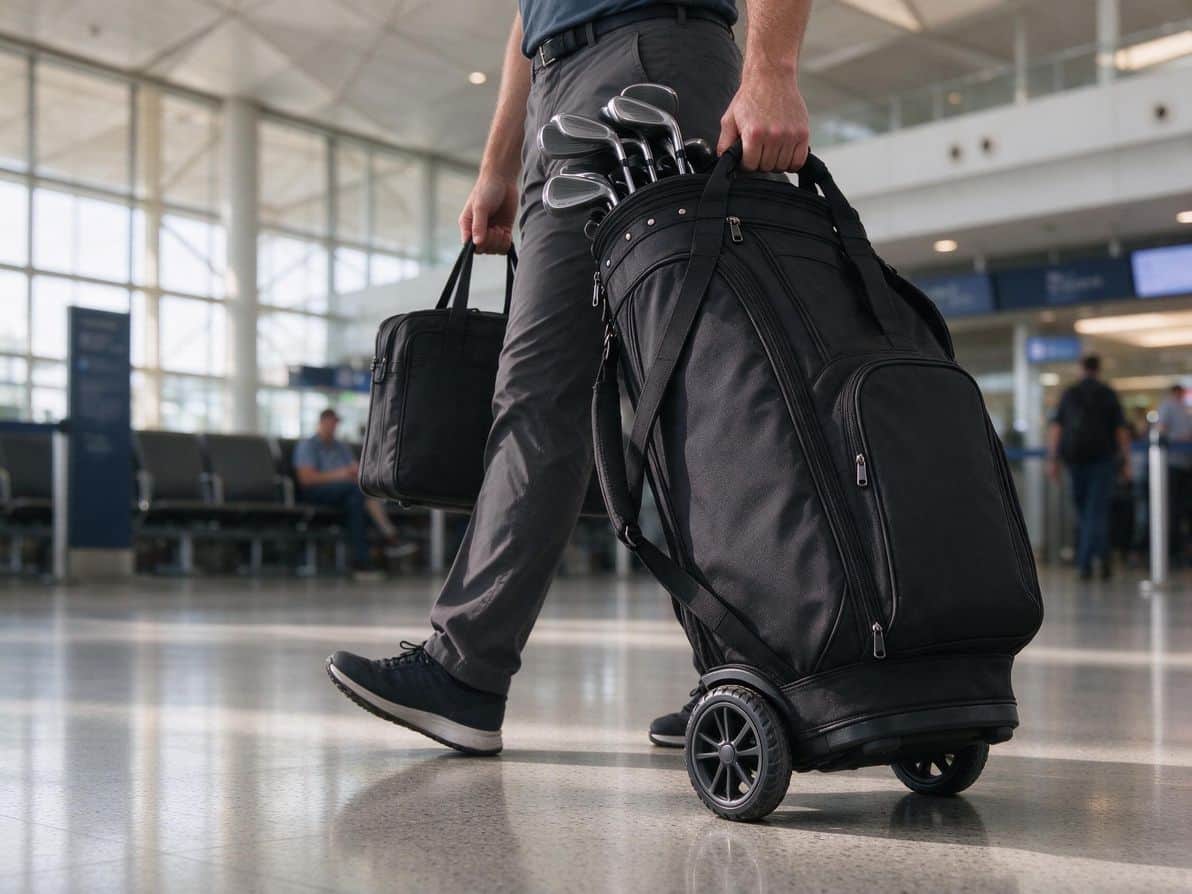
When you fly with your clubs, your travel bag has two jobs: keep your gear intact and make airport movement manageable. A standard cart bag works fine on the course, but checked luggage goes through baggage systems, conveyor belts, and cargo holds. That environment demands specific features your everyday bag does not need.
Three features matter most when flying: clubhead padding, interior straps, and quality wheels. Padding protects the most vulnerable part of your clubs. Straps stop everything from shifting inside the case.
Wheels determine how easily you move a heavy bag across long terminal distances. Each feature addresses a different risk that flying introduces.
Protecting Clubs in Transit
The clubhead area takes the most damage during transit. When a bag gets dropped, tossed, or stacked under other luggage, the heads absorb the impact first. Look for thick padding around this zone in any travel bag you consider.
Your driver and fairway woods have large, hollow heads that crack under pressure. Irons and wedges have exposed grooves that can bend or chip. A padded top section creates a buffer between your clubheads and the outside of the case.
You can add extra cushioning yourself. Wrapping a towel around your clubheads or stuffing clothing between them fills empty space and absorbs shock. This step costs nothing and adds protection on top of what the bag provides.
Moving Through Airports Easily
Airports are not smooth. You cross carpet transitions, metal seams, curbs, and uneven pavement while pulling a bag that can weigh 40 to 50 pounds with your clubs inside. Small, hard wheels catch on every seam and force you to lift or drag the bag.
Larger, durable wheels roll over these obstacles without snagging. They reduce the effort needed to steer through crowded terminals and keep your hands free for tickets, phones, or coffee. Wheel quality directly affects how tiring a travel day feels.
Check the wheel placement too. Bags with wheels at the bottom and a handle at the top let you pull the bag upright behind you. This stance keeps your back straight and your path clear, which matters in tight gate areas or when you board shuttle buses.
Wheels: What Makes a Golf Travel Bag Roll Well
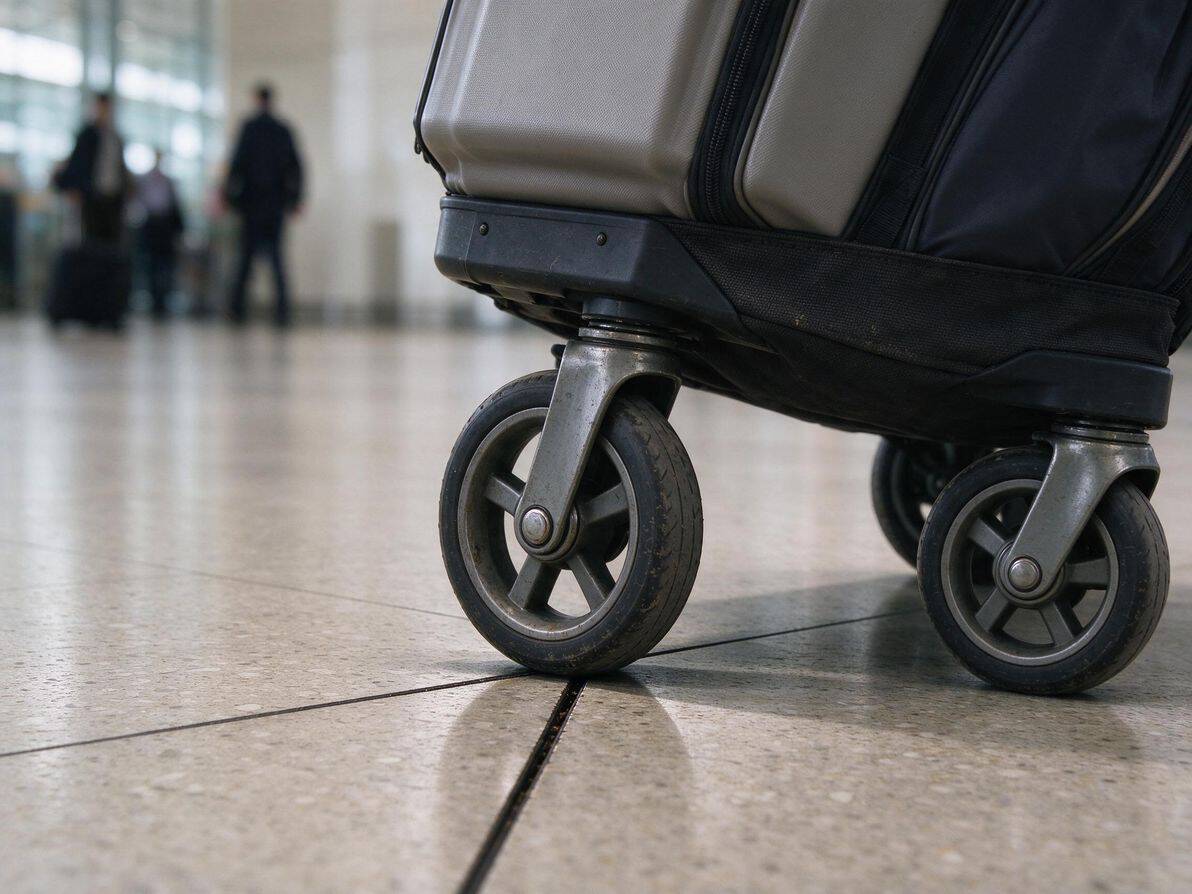
Wheels are where your travel bag earns its keep. You pull your bag across long airport corridors, and the quality of those wheels decides whether you arrive at the gate tired or frustrated. A bag with weak wheels forces you to lift, drag, or fight your way through terminals, all while your clubs take the stress of every bump.
Wheel Size and Durability
Larger, durable wheels roll better over the surfaces you actually encounter. Airport floors are not smooth. You cross metal seams between moving walkways, step over curbs at drop-off zones, and push across rough pavement in parking garages.
Small, hard wheels catch on every one of those transitions. Bigger wheels with sturdy construction roll over them without jarring your bag or your shoulder.
Look for wheels that feel solid when you press them, with no wobble or play in the axle. A wheel that spins freely in your hand but feels loose when mounted will not hold up under a loaded bag.
Rolling Over Seams, Curbs, and Pavement
The real test happens at the edges. Carpet meets tile. A moving walkway ends with a metal seam.
You step down from a curb with a loaded bag. Wheels that handle these transitions smoothly save your arms and keep your bag from tipping.
When you test a bag in a store, roll it across the floor and deliberately cross any seams or thresholds you can find. If the bag stutters, tilts, or requires a hard tug to keep moving, the wheels are undersized or poorly mounted for real travel.
Avoiding Wheels That Tip or Drag
Two problems ruin a rolling bag: tipping and dragging. A narrow wheelbase tips the bag when you turn corners. Dragging happens when wheels are too small, too soft, or mounted at the wrong angle, so the bag scrapes the ground instead of rolling. Both problems wear out the wheels fast and make a heavy bag feel heavier.
A well-designed travel bag keeps its weight centered and low, with wheels positioned so the bag tracks straight behind you without effort. If you are comparing bags, watch how each one behaves when you change direction or stop suddenly. The one that stays upright and rolls clean is the one you want at the baggage claim.
Good wheels matter more than you might expect. They turn a stressful airport trek into a manageable walk, and they protect your bag from the knocks that come with every journey.
If you walk your clubs through a course, you already know how much easier a push cart makes the round; the same logic applies here. For more on choosing a bag that works on the ground, see our guide to golf bags for push carts.
Padding: Protecting the Clubheads
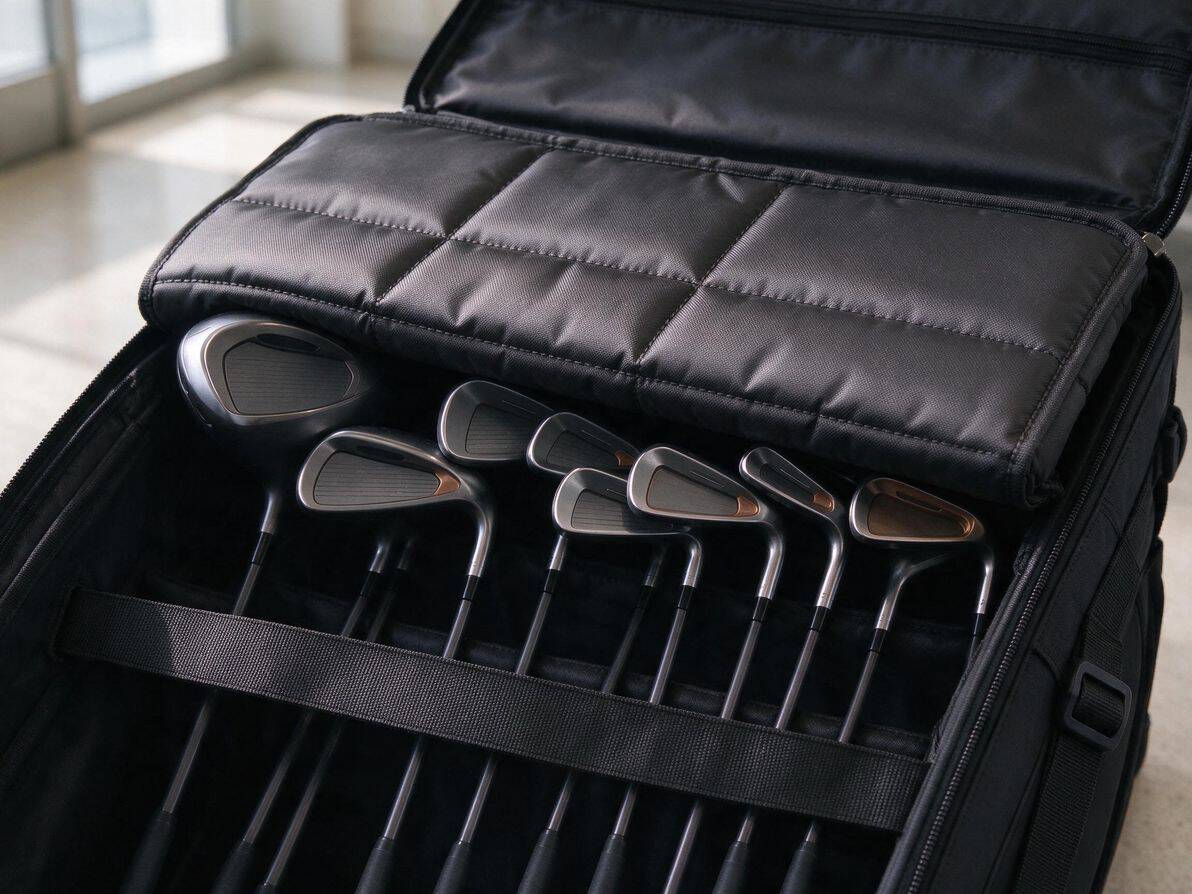
Your clubs take the most abuse at the top of the bag. Baggage handlers stack, drop, and slide luggage through conveyor systems, and the clubhead area absorbs the impact. Good padding in this zone is the single most important protection you can add.
Why Clubheads Are Most Vulnerable
Clubheads sit at the top of your bag, exposed to side impacts and top-down pressure. Drivers and woods have thin faces and graphite shafts that crack or splinter under stress. Irons have hardened steel heads that can chip or bend when they strike each other or the case wall.
During a flight, your bag travels through multiple handling points: check-in, the tarmac, the cargo hold, and baggage claim. Each transfer adds risk. Without padding, clubheads knock against each other and the rigid shell of the travel case.
The clubhead area also faces compression from bags stacked on top. A soft-sided bag offers little defense here. A travel case with thick foam or reinforced panels around the top absorbs that pressure before it reaches your clubs.
Padding Around the Clubhead Area
Look for thick foam padding that lines the top compartment of the travel bag. Quality padding runs at least one inch thick and wraps around the sides, not just the top. Some bags add a rigid plastic cap or divider that keeps clubheads separated.
Check the padding density. Soft, thin foam compresses under weight and loses its protective value. Firmer foam holds its shape through repeated trips. Press the padding with your thumb: if it springs back slowly or feels hollow, it will not protect your clubs on a long flight.
The best designs separate each club with individual sleeves or a divider system. This stops heads from striking each other during turbulence and handling. Even a simple foam block between the driver and the woods reduces contact damage.
Adding Extra Cushioning With Towels
You do not have to rely on the bag alone. Wrap a towel around the clubhead area before you zip the case. The towel fills empty space, stops clubs from shifting, and adds a layer of impact absorption.
Use a thick bath towel or two hand towels. Lay them flat, place the clubheads on top, and roll the towel snugly around the heads. Tuck the ends into the bag so the towel stays in place. Add a second towel on top of the clubs for downward protection.
Clothing works too. A fleece jacket or sweatshirt stuffed around the clubheads adds cushioning without extra bulk in your luggage. This matters most if your travel bag has thin factory padding or if you are flying with expensive graphite-shafted clubs.
Pack the towel method every time you fly. It costs nothing, takes two minutes, and gives you a buffer if the bag takes a hard knock in transit.
Straps: Keeping Clubs From Shifting
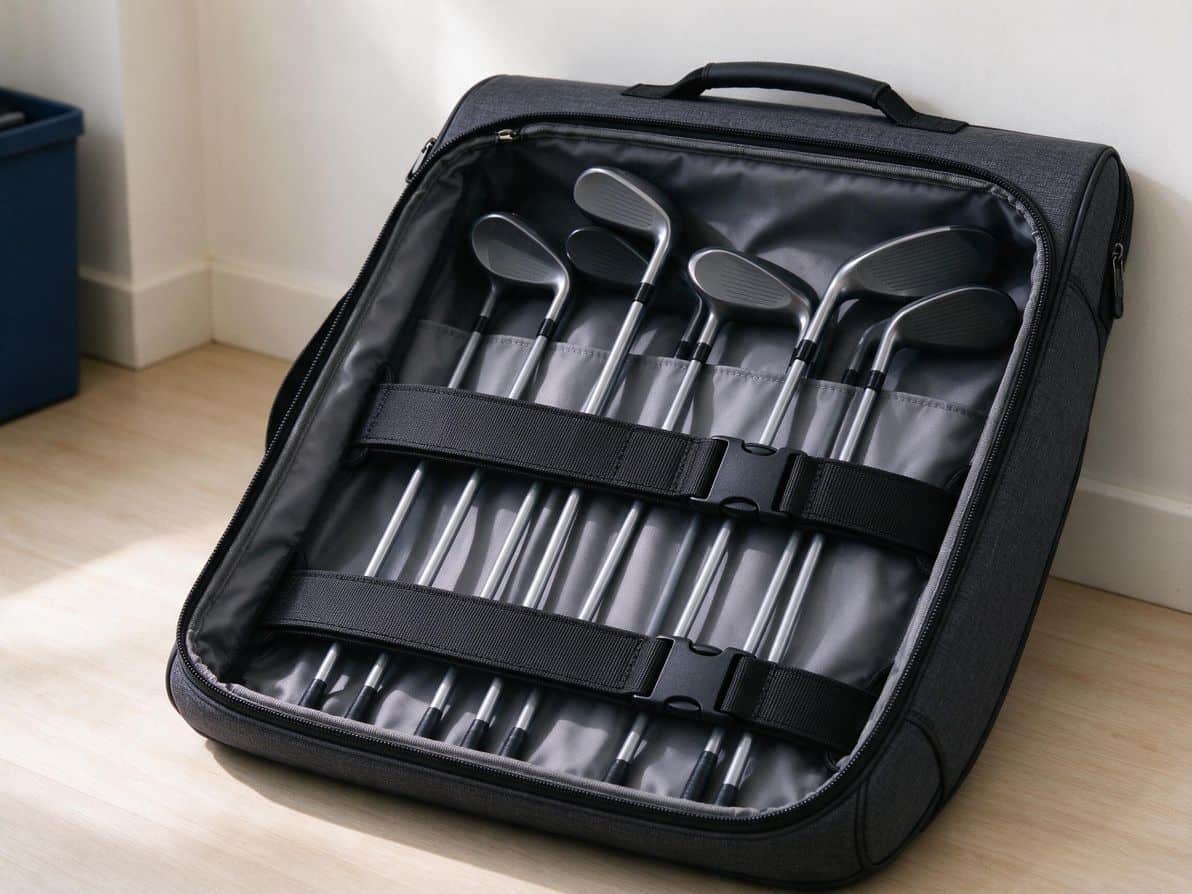
When your bag goes into a cargo hold, it gets tossed, stacked, and turned. Interior straps are what keep your clubs from sliding around inside the case and banging into each other. Without them, even a well-padded bag leaves room for movement, and that movement is where damage happens.
How Interior Straps Work
Interior straps wrap around your clubs and fasten to the inside of the travel bag. They hold your clubs in a fixed position so they cannot shift, twist, or slide during transit.
Look for straps that are adjustable and padded, not thin elastic bands. A strap that cinches tight around the club shafts and heads prevents the side-to-side motion that causes clubheads to knock together.
Check that the straps reach the top of your bag. Clubs are longest at the top, and that is where they have the most room to move if left unsecured. Multiple strap points, one near the clubheads and one lower on the shafts, give you better control than a single strap.
Using a Stiff Arm for Support
A stiff arm is a rigid support rod that runs the length of the bag, usually along the spine or inside a dedicated channel. It keeps the bag's structure from collapsing if something heavy lands on top of it in the cargo hold. Without this support, the bag can compress and transfer force directly to your clubs.
When you pack, position the stiff arm so it runs parallel to your longest club, typically the driver. This creates a rigid frame that resists crushing. Some bags include the stiff arm as a removable insert; others have it built in. Either works, but confirm it is long enough to cover your full club set.
Checking for Internal Tie-Downs
Internal tie-downs are anchor points inside the bag where you can clip or strap additional gear. They keep items like shoes, rain gear, or a rangefinder from sliding around and adding impact to your clubs. A bag with several tie-down points lets you organize the interior so nothing moves.
Before you fly, do a quick shake test. Load your bag, secure the straps, and lift it by the handle. If you hear clubs shifting or feel movement inside, tighten or reposition the straps.
Tie down any loose items in the side pockets. This takes two minutes and catches problems before the baggage system does.
Straps and structural support work together. Padding cushions impact, but straps stop movement. You need both for clubs that arrive ready to play.
Airline Size and Weight Limits to Check First
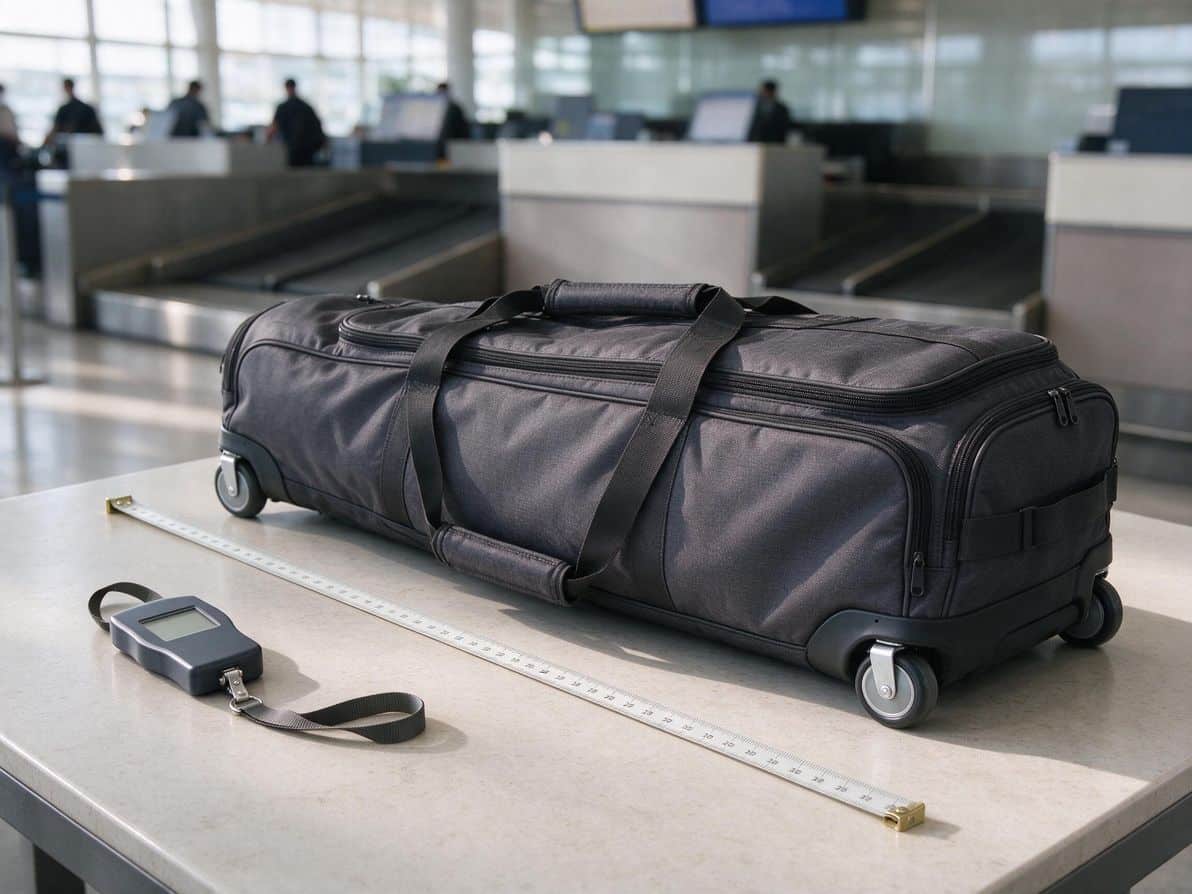
Checked golf bags hit two hard limits at the airline counter: weight and size. Know these before you buy, because a bag that fails either one costs you at the airport.
The 50 lb Reference Point
Most major airlines treat golf clubs as standard checked baggage with a 50 lb weight limit. A loaded travel bag with a full set of clubs, shoes, and accessories can approach this fast. Weigh your bag at home before you leave.
A bathroom scale works: weigh yourself, then weigh yourself holding the bag, and subtract. If you are over 50 lb, you pay an overweight fee, which varies by airline and can run $100 or more each way.
Some carriers charge different rates for bags between 50 and 70 lb, and again above 70 lb. Leave room in your bag for souvenirs or extra layers you pick up on the trip.
Understanding Linear Inches
Airlines also measure linear inches: length plus width plus height. The common reference point is 62 linear inches. A typical golf travel bag with a stand bag inside runs 48 to 52 inches long, so you have limited room for width and depth before you cross the limit.
Bags over 62 linear inches usually count as oversized and trigger higher fees. Measure your travel bag fully loaded, not empty.
Padding and a stiff arm add inches. If your bag is close to the limit, a soft-sided case compresses more than a hard shell, which can help you stay under.
Confirming Rules With Your Airline
These numbers are reference points, not universal rules. Airlines set their own checked baggage policies, and they change. Budget carriers often charge for any checked bag, including golf clubs, with weight limits that differ from legacy airlines.
International flights may have stricter limits. Before you buy a travel bag or book a flight, check your airline's website for the exact weight, size, and fee schedule for sporting equipment.
Some airlines require you to declare golf clubs at check-in or use a specific bag type. A two-minute check saves you money and a stressful repacking session at the counter.
Confirm your airline's rules before every trip, especially if you switch carriers or fly internationally.
Common Mistakes to Avoid When Buying
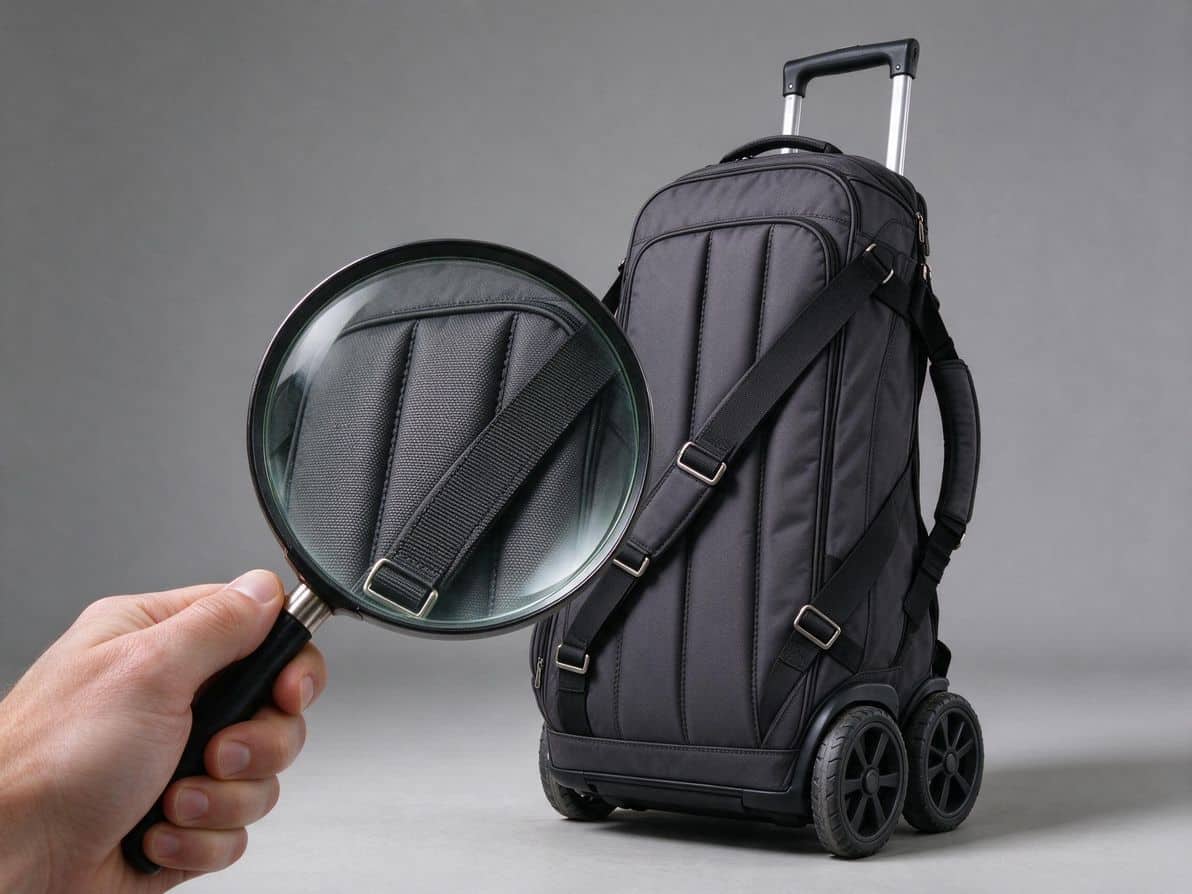
Buying a golf travel bag without checking the right details leaves you with damaged clubs or a bag that fights you through every airport. Four mistakes cause most of the problems travelers report.
Weak Wheels That Tip or Drag
Small, flimsy wheels roll poorly on carpet transitions, metal seams, curbs, and uneven pavement. A travel bag loaded with clubs can weigh 40 to 50 pounds, and weak wheels make that weight feel heavier while tipping the whole bag over.
Larger, durable wheels handle rough airport surfaces without stuttering or requiring a hard tug to keep moving. Test how the bag tracks when you pull it at an angle before you buy.
Skipping Clubhead Padding
The clubhead area is the most vulnerable point in transit. Baggage systems, conveyor belts, and cargo holds put your clubs at risk of impact damage, and thin padding around the heads does not stop it.
Look for reinforced clubhead padding, and pack towels or clothing around the clubheads for extra cushioning. This mistake is one of the beginner golf gear regrets that costs the most to fix later.
Ignoring Internal Straps
Interior straps keep your golf bag from shifting and twisting inside the travel case. Without them, clubs slide around during handling and the bag itself can be crushed by other luggage.
A stiff arm support rod helps prevent crushing. Check that straps are adjustable and that the stiff arm is present before you commit.
Buying Before Checking Limits
Most major airlines treat golf clubs as checked baggage and use 50 lb and 62 linear inches as common reference points. These are not universal rules, so you need to confirm the exact limits with your airline before buying.
A bag that exceeds either limit costs you extra fees or gets left behind. Measure your loaded bag and weigh it before your trip, not after you arrive at the airport.
Frequently Asked Questions
What wheel type is best for a golf travel bag?
Larger, durable wheels roll better on seams, curbs, and rough airport surfaces. You cross carpet transitions, metal seams, and uneven pavement while pulling a bag that can weigh 40 to 50 pounds with your clubs inside.
If the bag stutters, tilts, or requires a hard tug to keep moving, the wheels are undersized or poorly mounted for real travel. Look for wheels that sit outside the bag's frame so they take the impact, not the case itself.
How much padding should a flying golf bag have?
Focus on the clubhead area, because that is where clubs are most vulnerable in transit. A flying bag needs padding concentrated at the top of the case where clubheads sit.
You can add towels or clothing around the clubheads for extra cushioning. Thin, even padding across the whole bag matters less than thick protection at this one point.
Do interior straps really help prevent damage?
Yes. Interior straps keep your golf bag from shifting and twisting inside the travel case during transit. Without them, your bag slides around the cargo hold and takes hits from every direction.
A stiff arm or support rod also helps prevent crushing by holding the case's shape under pressure.
What airline size and weight limits should buyers keep in mind?
Most major airlines treat golf clubs as checked baggage and use 50 lb and 62 linear inches as common reference points. These are not universal rules, so confirm the exact limits with your airline before you buy.
A bag that fits one carrier's rules can exceed another's, and excess fees add up fast on a trip.
Which features matter most for beginners versus frequent travelers?
If you are packing for your first trip, prioritize clubhead padding and interior straps. You want your clubs to arrive intact, and these two features do the most to prevent damage.
Frequent travelers should also weigh wheel quality heavily, since you will pull the bag through dozens of airports each year. For regular flyers, a stiff arm and reinforced frame add protection against the crush of cargo holds.
If you are just starting out, your first-time golf gear checklist covers what else to pack. Frequent travelers can also review golf accessories every golfer should have for trip-specific add-ons.
Final Thoughts
Your golf travel bag has one job when you fly: getting your clubs from check-in to baggage claim in the same condition you packed them. That means three features matter more than anything else. Wheels that roll smoothly over airport seams and curbs save your arm and your patience.
Padding around the clubheads absorbs the impacts that checked luggage takes on conveyor belts and in cargo holds. Interior straps keep your clubs from shifting and twisting inside the case, which prevents the kind of damage that only shows up when you unzip the bag at your destination.
Before you buy, check your airline's weight and size limits. Most carriers use 50 pounds and 62 linear inches as reference points for checked bags, and a travel bag loaded with clubs can push past both. A bag that meets these limits while still offering real protection is the one you want.
Skip the common mistakes. Weak wheels that tip or drag make every airport trek harder. Thin padding leaves clubheads exposed.
Missing straps let clubs bang around freely. Any one of these can turn a good trip into a frustrating one.
Measure your clubs, weigh your loaded bag, and confirm your airline's rules before you purchase. A few minutes of checking saves you from arriving with damaged gear or an overweight bag fee.
The right travel bag turns flying with your clubs from a worry into a routine part of the trip. Pick one with solid wheels, real padding, and secure straps, and you will land ready to play, not ready to replace.